Your Ultimate Guide to Buying Prescribed Eyeglasses
Your Ultimate Guide to Buying Prescribed Eyeglasses
Struggling to navigate the complex world of buying eyewear online? Getting the right pair of prescribed eyeglasses involves more than just picking a frame; it's about understanding your prescription, choosing the best lenses, and finding a retailer that fits your needs and budget. This guide breaks down everything you need to know, from deciphering your doctor's script to finding unbeatable savings. Ready to see clearly? Explore a vast collection of high-quality prescribed eyeglasses and apply your newfound knowledge today to find the perfect pair.
【First, Get Your Prescription Right】
Before you even think about frame styles or lens coatings, the most critical piece of information is your vision prescription. This document is the blueprint for your new `prescribed eyeglasses`, and getting it right is the foundation for clear, comfortable vision. Without an accurate and up-to-date prescription, even the most expensive glasses will fail to do their job.
Understanding Your Glasses Prescription
Your glasses prescription can look like a secret code, but it's actually a straightforward set of measurements for correcting your specific vision issues. Think of it as the precise instructions your optician needs to craft your lenses.
What the numbers on your prescription mean
To buy `prescribed eyeglasses`, you must first decipher your eye doctor's script. Each value tells the lab exactly how to shape your lenses.
* SPH (Sphere): This number indicates the main strength of your lens. A minus sign (-) means you are nearsighted (myopic), while a plus sign (+) means you are farsighted (hyperopic). The higher the number, the stronger the prescription.
* CYL (Cylinder) & Axis: If you have these numbers on your prescription, it means you have astigmatism, a common condition where the cornea is slightly irregular in shape. The CYL is the lens power needed to correct it, and the Axis is the orientation of that correction, measured in degrees from 1 to 180.
* ADD (Addition): This value is for the additional magnifying power needed for reading. You'll only see this on prescriptions for bifocal or progressive lenses, typically for people over 40 experiencing presbyopia.
Having a valid prescription written by a qualified optometrist in 2025 is the essential first step for any eyewear purchase.
Why Pupillary Distance (PD) is Non-Negotiable
Alongside your main prescription numbers, there is one measurement that is absolutely crucial for your `prescribed eyeglasses` to work properly: your Pupillary Distance (PD).
The crucial measurement for clear vision
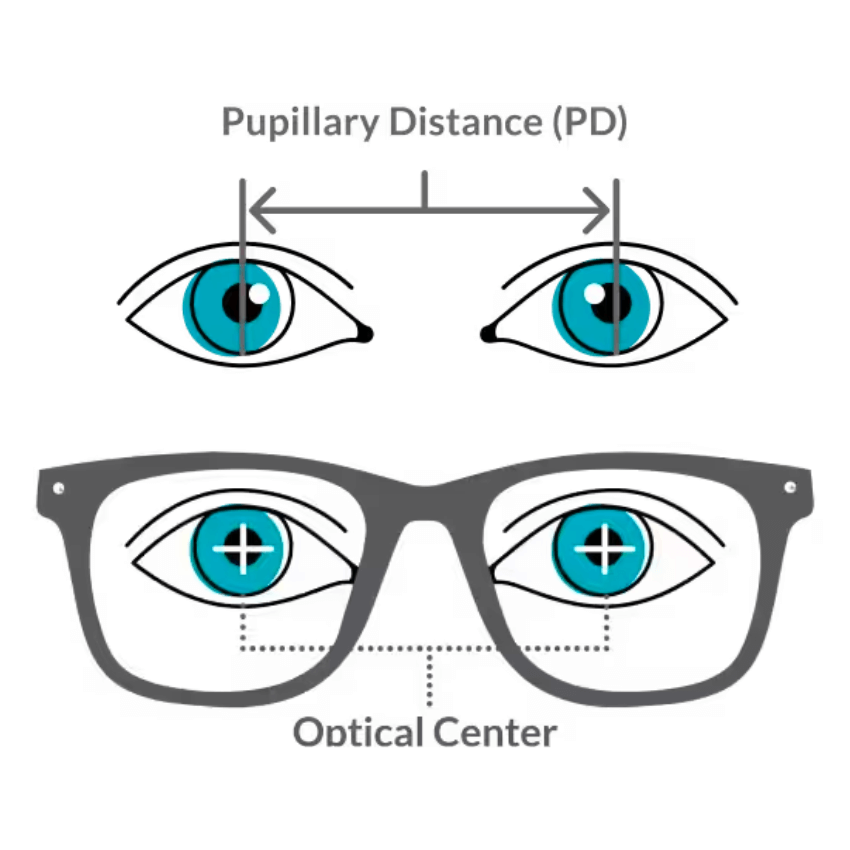
Your PD is the distance, measured in millimeters, between the centers of your pupils. This measurement is non-negotiable because it determines where the optical center of your lenses should be placed. If this alignment is off, it can lead to eye strain, headaches, and distorted vision.
As one long-time glasses wearer noted, "An incorrect PD can make your vision feel off, even with the right prescription. It's a small number that makes a huge difference." You can get your PD from your eye doctor during your exam, or you can measure it yourself using a reliable online tool.
Once you have all these details—your sphere, cylinder, axis, and pupillary distance—you have everything you need to order the perfect pair of glasses. To apply this knowledge and see how different frames accommodate your specific vision correction needs, you can explore a full range of prescribed eyeglasses to find a match for your script and style.
【The Big Debate: Online vs. In-Person Optician】
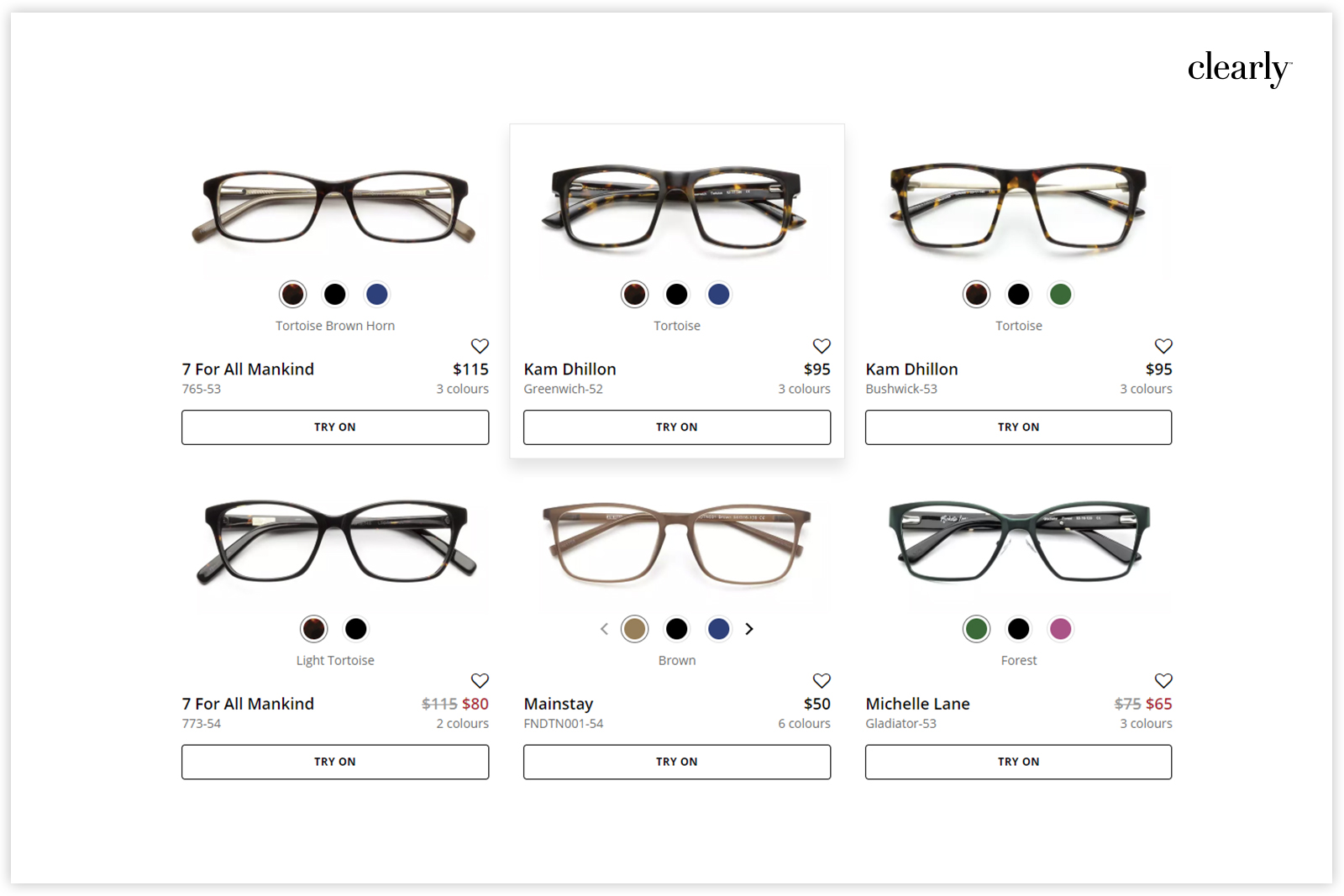
Once your prescription is in hand, you face a major decision: where do you buy your `prescribed eyeglasses`? In 2025, the choice between a digital storefront and a traditional brick-and-mortar optician is more relevant than ever. Each path offers distinct advantages and disadvantages, and the right one for you depends on your priorities—cost, convenience, and the complexity of your vision needs.
The Case for Online Eyewear Retailers
The rise of online eyewear shopping has been revolutionary. It has transformed the market by making vision correction more accessible and affordable. For many, buying glasses from home is now the default choice.
Why millions are now buying glasses from home
The appeal of online retailers is undeniable, driven by several key factors that cater to the modern consumer.
* Huge Cost Savings: This is often the biggest draw. Online retailers have lower overhead, and they pass those savings on to you. It's not uncommon to find frames starting as low as $6.95 from retailers like Zenni Optical, a fraction of the traditional cost.
* Massive Selection: Online stores offer a virtually endless aisle of frames. You can browse thousands of trendy, classic, and niche styles from the comfort of your couch, far exceeding the inventory of a physical store.
* Unmatched Convenience: Features like virtual try-on tools use your camera to show how frames will look on your face. Some companies, like Warby Parker, even offer at-home trials, sending you five frames to try before you buy.
* The Downside: With this power comes responsibility. You are in charge of accurately entering your prescription details. A simple typo can render your new glasses useless. Additionally, achieving the perfect fit without a professional adjustment can be tricky, potentially leading to discomfort.
The Argument for a Brick-and-Mortar Store
Despite the online boom, the traditional optician still plays a crucial role, especially for those who need a more hands-on approach to their `prescribed eyeglasses`.
When an in-person fitting is worth it
Sometimes, the expertise and personalized service of a professional are non-negotiable. A visit to an optician can be the smarter choice in certain situations.
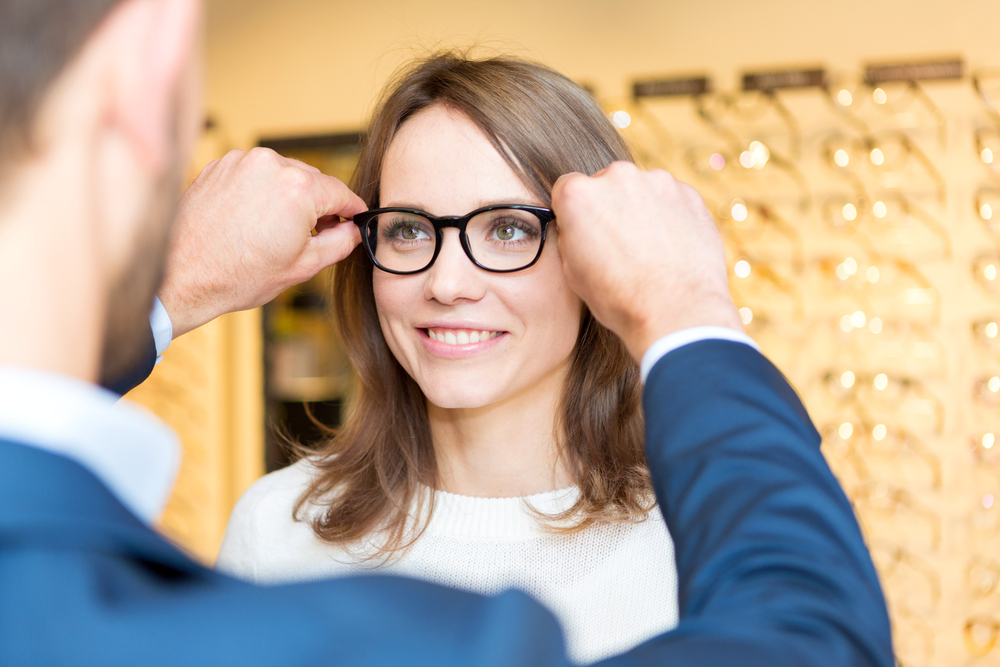
* Expert Fitting and Adjustments: An optician does more than just sell you glasses; they ensure they fit perfectly. They make precise adjustments to the nose pads, temples, and overall frame alignment for optimal comfort and visual clarity.
* Essential for Complex Prescriptions: If you have a strong prescription, require progressive lenses, or have significant astigmatism, an optician's guidance is invaluable. They ensure complex multifocal lenses are correctly positioned for seamless vision.
* Personalized Style Advice: An experienced optician can assess your face shape, skin tone, and lifestyle to recommend frames that are not only functional but also flattering.
* The Trade-Offs: This premium service comes at a price. The average cost for glasses at a physical store is around $275, even with insurance. The selection is also typically smaller than what you'd find online.
Ultimately, the choice depends on your personal needs. If you have a simple prescription and are comfortable with the process, buying online can save you a significant amount of money. If you value expert guidance and have complex vision requirements, an in-person visit is the safer bet. To help you decide, it's a great idea to see what's available in the market. Exploring a wide range of frames online can give you a clear picture of different styles and prices, empowering you to make the best choice.
Because seeing all your options is the first step to clear vision, browse through a comprehensive collection of prescribed eyeglasses to find a pair that fits your prescription, style, and budget.
【Who Sells the Best Prescribed Eyeglasses Online? A Breakdown】

Navigating the world of online eyewear retailers can be overwhelming. With so many options, how do you know where to find the best `prescribed eyeglasses` for your needs? Below, we break down the top players in 2025, from budget champions to designer discounters, to help you make an informed choice.
Budget Champions: Zenni Optical & Eyebuydirect
For style that doesn't break the bank
If your primary goal is to find stylish, functional prescription eyewear without a hefty price tag, these two retailers are your best bet. They have mastered the art of high-volume, low-cost production.
* Zenni Optical: This brand is legendary for its incredibly low prices. It's a go-to for anyone on a tight budget, offering an astonishing selection of over 1,300 frame styles for under $30.
* Eyebuydirect: Offering a perfect balance, Eyebuydirect provides both highly affordable in-house brands and popular designer labels like Ray-Ban and Oakley, giving you flexibility in both style and price.
As one customer noted about their experience, "The website is really user-friendly, and the prices are super affordable... Eyebuydirect takes away the nervousness!"
The Hybrid Model: Warby Parker vs Zenni Optical
Balancing cost, quality, and service
For some, the ideal experience lies somewhere between the bare-bones approach of budget sites and the full service of a traditional optician. This is where the hybrid model shines.
Warby Parker pioneered this space by offering a curated, boutique-like experience at an accessible price. Most of their designer-quality frames for `corrective glasses` are under $150. Their famous home try-on program, where they mail you five frames to test for free, revolutionized online eyewear shopping.
Crucially, Warby Parker is the only major online retailer that also operates its own brick-and-mortar stores. This allows you to get in-person eye exams and professional fittings, blending digital convenience with physical service. While Zenni offers unbeatable low prices, Warby Parker focuses on delivering a more guided and service-oriented journey.
The Designer Discounter: GlassesUSA
For brand names at better prices
Do you have your heart set on a pair of high-end frames from a luxury brand? GlassesUSA is the leading online destination for designer `prescription eyewear` at a discount.
Their catalog is massive, stocking over 9,000 frame options. This includes top-tier brands you'd find in a high-end boutique, such as Gucci, Prada, and Tom Ford, but at significantly lower prices.
A standout feature is their prescription scanner tool. This clever app allows you to use your phone's camera to scan your current glasses and pull the prescription details directly, simplifying the ordering process. As one satisfied shopper explained, this kind of feature "eased the anxiety of buying something sight unseen as well as having a warranty and a return policy."
Ultimately, the "best" online retailer depends entirely on your priorities. Whether you're seeking extreme value, a blend of service and style, or discounted designer brands, there is an online option for you. The key is to explore what's available to find a pair that perfectly matches your vision, face, and wallet.
To see how these different price points and styles come together, browsing a large collection is the best way to start. It helps you compare options and discover the perfect fit for your needs. Explore a vast range of prescribed eyeglasses to find a pair that brings you clear vision and confidence.
【Decoding Lens Types and Coatings for Prescribed Eyeglasses】
The frame gets all the attention, but the lens is the most critical part of your `prescribed eyeglasses`. The material and coatings you choose directly impact the clarity, comfort, and durability of your vision. Let's break down the essential options for 2025.
Eyeglass Lens Materials Explained
The foundation of any great pair of spectacles is the lens material itself. This choice affects how thick, heavy, and impact-resistant your glasses will be.
Polycarbonate Lenses Advantages
If you are active, have a high-energy job, or are shopping for a child, polycarbonate is the industry standard for safety and durability.
* Impact Resistance: These lenses are up to 10 times more resistant to impact than standard plastic or glass lenses, making them incredibly difficult to shatter.
* Ideal for Active Lifestyles: Their toughness makes them the go-to choice for children's eyewear, sports goggles, and safety glasses.
* Built-in UV Protection: Polycarbonate naturally blocks over 99% of harmful UV rays, protecting your eye health without needing an additional coating.
Benefits of High-Index Lenses
For those with a strong prescription, the thickness and weight of traditional lenses can be a major concern. High-index lenses are the modern solution.
* Thinner and Lighter: This advanced material is designed to bend light more efficiently, allowing the lens to be made significantly thinner and lighter, even for powerful prescriptions.
* Improved Appearance: By reducing lens thickness, high-index options eliminate the "Coke bottle" effect, resulting in a more flattering and comfortable pair of corrective glasses.
Advanced Lenses: Progressive vs. Photochromic
Beyond the base material, specialized lens technologies can add incredible convenience and functionality to your `prescribed eyeglasses`.
Progressive Lenses vs Bifocals
For those who need vision correction at multiple distances (presbyopia), progressive lenses offer a seamless, modern alternative to lined bifocals.
* Three Prescriptions in One: A single progressive lens smoothly transitions between three viewing zones: distance vision at the top, intermediate vision in the middle (for computers), and near vision at the bottom (for reading).
* No Visible Line: Unlike bifocals, progressives have no distracting line, offering a more youthful aesthetic and a more natural field of vision.
* Adjustment Period: It's worth noting that new wearers may need a week or two to adapt, especially when learning to look through the correct part of the lens for tasks like walking down stairs.
Photochromic Lenses Review
Commonly known by the brand name Transitions, photochromic lenses are two-in-one spectacles that adapt to your environment.
* Automatic Tinting: These lenses are clear indoors but automatically darken when exposed to sunlight, effectively turning your everyday glasses into prescription sunglasses.
* Convenience: They are an excellent choice for anyone sensitive to light or who dislikes the hassle of carrying a separate pair of sunglasses.
* A Key Limitation: Be aware that most photochromic lenses do not darken inside a car. This is because car windshields already block the UV rays that are necessary to trigger the tinting process.
Is Anti-Glare Coating on Glasses Worth It?
Anti-glare, or anti-reflective (AR), coating is one of the most common and highly recommended lens add-ons. But does the benefit justify the cost?
The verdict on this popular add-on
Let's look at the facts. An AR coating is a micro-thin layer applied to the lens to improve both your vision and the appearance of your glasses.
* Cost: An AR coating will typically add between $50 and $100 to the total cost of your `prescribed eyeglasses`.
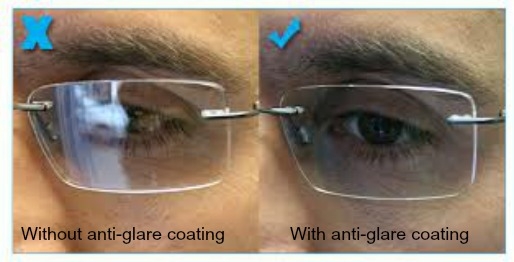
* Visual Benefit: The coating dramatically reduces reflections and glare from sources like headlights, computer screens, and overhead lights. This can decrease eye strain and significantly improve clarity, especially for night driving.
* Aesthetic Benefit: By eliminating reflections on the surface of your lenses, an AR coating makes them look nearly invisible. This allows people to see your eyes more clearly and improves how you look in photos.
* Expert Opinion: Opticians almost universally agree that a high-quality AR coating is worth the investment. Cheaper versions can be prone to smudging and scratching, so it's wise to get the best quality you can afford for long-lasting performance.
Understanding these lens materials and coatings is the key to customizing your eyewear for optimal vision and comfort. The best way to grasp how these choices impact the final product is to see them in action. Applying these options to different frames lets you balance features, style, and cost effectively. To build the perfect pair with the exact lenses and coatings you need, it's essential to browse a platform where you can compare these features side-by-side. Discover your ideal combination by exploring a full range of prescribed eyeglasses.
【Eyeglass Savings Tips That Actually Work】
Getting a new pair of `prescribed eyeglasses` doesn't have to drain your bank account. By being a savvy shopper and knowing where to look for deals, you can get the high-quality vision correction you need at a price you'll love.
Shop Smart and Maximize Your Purchase
How to get more for less
* Ask for a second-pair discount. If you also need prescription sunglasses or dedicated computer glasses, many retailers will offer you a price break for buying a second pair at the same time.
* Try in-store, buy online. Visit a brick-and-mortar shop to try on frames and find the style number that fits you perfectly. Then, search for that exact model online, where you can often find it for a much lower price. This "showrooming" technique is a classic way to save.
* Think outside the adult section. One user shared a brilliant tip: she has a smaller face and saved a significant amount by purchasing stylish and affordable frames from the kid's section. She then had her own expensive prescription lenses installed in them.
Use Your Benefits and Find Discounts
Looking beyond the sticker price
* Check your vision insurance. Before you commit to a purchase, especially from an online store, make sure they accept your vision insurance. Not all do, and this is one of the easiest ways to cover a large portion of the cost.
* Look for membership discounts. Don't forget about loyalty programs. For example, AARP members can get 30% off at retailers like LensCrafters. Always ask if there are promotions for students, veterans, or members.
* Use your FSA or HSA funds. Your Flexible Spending Account (FSA) or Health Savings Account (HSA) are designed for medical expenses like this. Using these pre-tax funds to buy your eyewear is an excellent way to get an automatic discount.
Combining these eyeglass savings tips can dramatically lower the out-of-pocket cost for your next pair of glasses in 2025. Being an informed consumer means you can get the style and lens features you want without overspending. The best way to put these strategies into action is to start with a broad selection where you can easily compare frames, features, and prices. To apply these savings tips and find a great deal, start by exploring a comprehensive collection of prescribed eyeglasses.
【Your Ultimate Checklist for Buying Prescribed Eyeglasses】
Choosing the right pair of prescribed eyeglasses is a significant decision that impacts your vision, comfort, and style. By following the key principles outlined in this guide, you can confidently navigate the process and make a purchase you'll be happy with for years to come.
To ensure a successful purchase, remember these crucial steps:
* Start with an Accurate Prescription: Your journey begins with a valid, up-to-date prescription from your optometrist. Ensure it includes your Pupillary Distance (PD), as this is non-negotiable for proper lens alignment and visual comfort.
* Weigh Your Buying Options: Carefully consider the pros and cons of online retailers versus traditional brick-and-mortar opticians. Online stores offer vast selection and savings, while in-person visits provide expert fittings and are ideal for complex prescriptions.
* Choose Lenses and Coatings Wisely: The lenses are the heart of your glasses. Select the right material (like durable polycarbonate or thin high-index) and consider beneficial coatings like anti-reflective (AR) to reduce eye strain and improve clarity.
* Master the Art of Saving: Don't pay full price. Maximize your savings by using vision insurance, FSA/HSA funds, and looking for second-pair discounts or membership deals.
Armed with this knowledge, you are no longer just a consumer but an informed buyer. You have the power to select eyewear that not only corrects your vision flawlessly but also complements your lifestyle and budget. The perfect pair is out there, and now you know exactly how to find it.
``` MjAyNTA3MjYxMDM5MDY 当前显示MjAyNTA3MjYxMDM5MDY。


Comments
Post a Comment