The Ultimate Antiglare Lens Guide: Never See Reflections Again!
The Ultimate Antiglare Lens Guide: Never See Reflections Again!
Tired of your phone screen turning into a useless mirror the moment you step outside? This isn't a problem you have to live with, as advanced screen technology now effectively eliminates glare. By understanding how an antiglare lens works—from diffusing light to utilizing sophisticated optical coatings—you can dramatically improve outdoor visibility, enhance durability, and reduce eye strain. Ready to solve this common frustration? Discover the perfect antiglare lens solution for your device and reclaim your screen's clarity in any light.
【What is This Glare-Killing Screen Technology?】
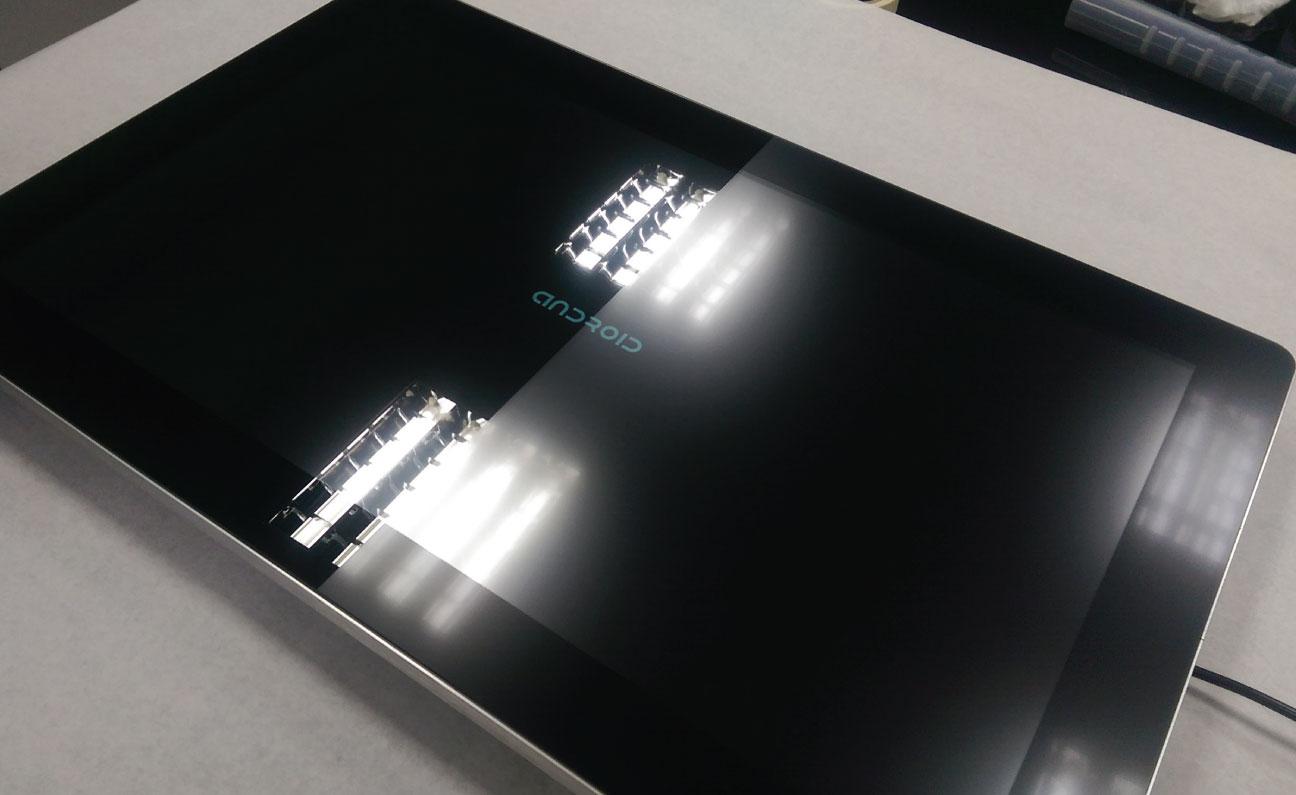
This groundbreaking technology isn't magic; it's a sophisticated application of physics and material science designed to control how light interacts with your phone's screen. The goal is simple: to minimize reflections so that what you see is the display itself, not a mirror of the world around you.
The Science Behind an Anti-Reflective Display
At its core, an anti-reflective display is engineered to bend or scatter ambient light away from your eyes. This is achieved through highly advanced surface treatments that alter the optical properties of the glass, a process perfected through decades of research in optics and material science.
How Does Anti-Glare Glass Work on Phones?
Have you ever wondered about the mechanics? Most anti-glare glass solutions work by using a process called diffusion. The surface of the glass is micro-etched to create a textured, matte finish. Instead of light hitting a smooth surface and bouncing directly back as a mirror-like reflection, it hits this uneven surface and scatters in countless different directions.
This scattering effect is what "kills" the glare, making the reflection so broken up that it becomes unnoticeable. This is how an antiglare lens effectively stops you from seeing your own face when trying to watch a video outdoors. If you want to see how this diffusion principle is applied in real-world products, exploring a selection of anti-glare glass applications will show you the tangible difference this technology makes.
The Difference: Anti-Glare vs. Anti-Reflective Screen
While often used interchangeably, "anti-glare" and "anti-reflective" describe two different methods. An anti-glare screen, as mentioned, uses a matte surface to diffuse light. This is very effective but can sometimes cause a slight reduction in screen sharpness or clarity.
An anti-reflective screen, on the other hand, uses advanced optical coatings. Think of the technology used in high-end camera lenses or prescription glasses. It involves applying multiple, incredibly thin layers to the glass surface. These layers are engineered to cause destructive interference, canceling out the light waves as they reflect. The latest example is Corning's Gorilla Armor, which maintains perfect clarity while eliminating reflections. Understanding this distinction can help you choose the best solution for your visual needs, and you can browse a variety of advanced anti-reflective screen protectors to find the one that fits your device and lifestyle.
The Rise of Glass Ceramic Display Technology
The next frontier in screen technology is the fusion of optical performance with extreme durability. This is where glass ceramic display materials come in. These are not your typical glass panels; they are composite materials where tiny, transparent ceramic crystals are embedded within a glass matrix.
This combination makes the display incredibly resistant to drops and scratches, far surpassing traditional glass. The trend for 2025 flagships, such as the anticipated Galaxy S25 Ultra, is to integrate these ultra-durable glass ceramic display properties with the most advanced anti-reflective coatings. This creates a screen that is both nearly invisible to glare and nearly impervious to damage. While this tech is becoming standard on new premium devices, you can get similar protective benefits now by exploring durable glass ceramic screen protectors for your current phone.
Unpacking the Core Benefits for Your Smartphone
Beyond the impressive science, what does this technology actually do for your daily phone use? The benefits are direct, tangible, and solve some of the most common frustrations that users face.
Improving Screen Visibility Outdoors
The most immediate and noticeable advantage is a massive improvement in screen visibility outdoors. Picture this: you're outside on a sunny day trying to reply to an important email, but all you can see is the sky and clouds reflected on your screen. You have to crank up the brightness to max, draining your battery, just to make the text legible.
An anti-glare or anti-reflective surface solves this problem at its root. By cutting down on specular reflections by up to 75%, as seen in real-world tests, the screen becomes clear and easy to read even in direct sunlight. This makes your device truly portable and usable in any environment. If poor outdoor visibility constantly plagues your phone use, the solution is to find a product specifically designed for improving screen visibility.
Enhanced Screen Durability and Scratch Resistance
A common misconception is that adding an anti-glare layer makes a screen more delicate. The opposite is true with modern technology. The materials used for high-end antiglare lens protectors are engineered for toughness, providing superior screen durability.
Materials like glass-ceramics are inherently more resistant to damage than standard glass. These advanced surfaces offer significantly better scratch resistance against everyday culprits like keys in a pocket or accidental scuffs on a tabletop. Choosing a quality anti-glare screen protector means you're investing in both a better visual experience and robust protection for one of your most valuable possessions. To get this dual benefit, you can explore options for an antiglare lens with high scratch resistance.
Reducing Eye Strain From Phone Screens
Do you ever finish a long session on your phone and feel that nagging, tired sensation in your eyes? A major contributor to this is glare. When your screen reflects bright lights, your eyes are forced to constantly readjust and strain to focus on the actual content, leading to visual fatigue.
Reducing eye strain is one of the most important ergonomic benefits of this technology. By creating a calm, reflection-free surface, an antiglare lens allows your eyes to focus comfortably without the constant fight against distracting light. This leads to a more relaxed viewing experience, whether you're reading, gaming, or working for extended periods. If you want to make your screen time more comfortable, addressing glare is a critical first step, and you can find many effective solutions for reducing eye strain from phone screens here.
【Corning Gorilla Armor: A Deep Dive into the Tech】
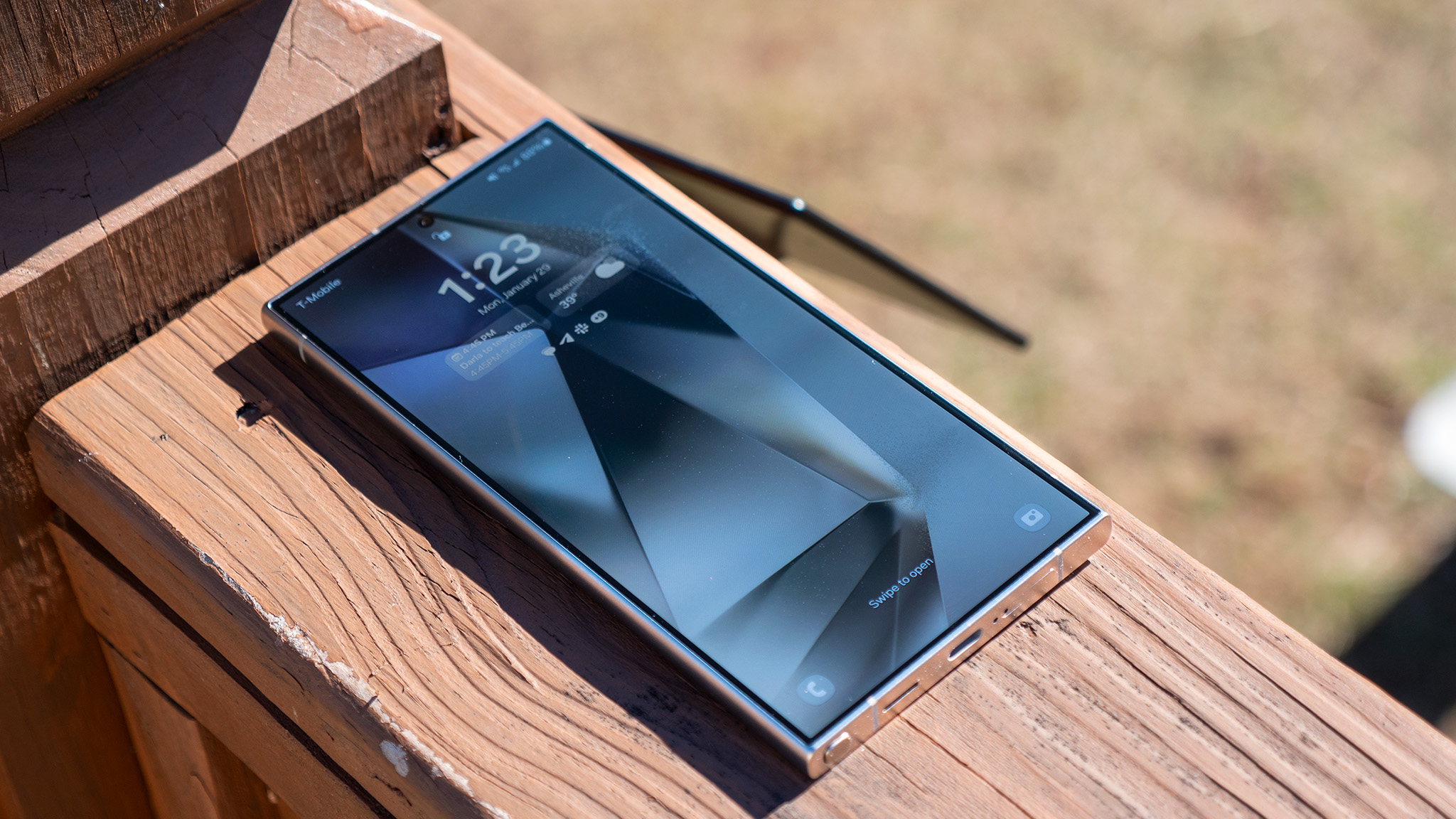
After understanding the core benefits, let's zoom in on the technology that sets the industry benchmark. When we talk about the ultimate fusion of durability and visual perfection in an antiglare lens, one name stands at the forefront: Corning Gorilla Armor.
The Gold Standard: Corning Gorilla Armor's Properties
What makes Gorilla Armor the gold standard? It’s an exceptionally engineered material that represents the pinnacle of glass science. It’s not just glass; it's an advanced optical composite designed to manipulate light while providing unprecedented toughness.
The Samsung Galaxy S24 Ultra Screen Reflection Test
The real-world impact of this technology was put on full display with the Samsung Galaxy S24 Ultra. In numerous side-by-side comparisons and screen reflection tests, the device’s Gorilla Armor screen was a clear winner. It drastically reduced specular reflections by up to 75% compared to conventional glass screens.
This isn't a minor improvement; it’s a transformative one. Users found they could comfortably use their phones in bright overhead lighting or direct sunlight without seeing their own reflection staring back, proving the real-world effectiveness of this advanced anti-reflective surface.
Introducing Corning Gorilla Armor 2 Features on the Galaxy S25 Ultra
Looking ahead to 2025, the industry anticipates the next evolution with the launch of the Samsung Galaxy S25 Ultra. This device is expected to feature Corning Gorilla Armor 2, pushing the boundaries even further. The new features will likely focus on enhancing the anti-reflective properties for even greater clarity and further improving the glass-ceramic composition for superior durability.
This means a screen that is practically invisible to glare and even more resistant to the hazards of daily life. While we await this next-generation flagship, you don't have to wait to upgrade your own device's protection. To solve the problem of glare and scratches today, you can explore screen protectors that utilize advanced Corning Gorilla Armor 2 features.
Lab-Tested Proof: How Gorilla Armor Dominates
These claims of superiority aren't just clever marketing; they are backed by extensive and rigorous lab-tested proof. Corning subjects its materials to brutal tests that simulate real-world accidents, proving how Gorilla Armor dominates competing solutions in controlled environments.
Drop Test Data: Surviving 2.2-Meter Falls
When it comes to surviving accidents, the drop test data is crucial. While many standard screens may crack from a one-meter drop, Corning’s lab reports show Gorilla Armor is engineered to withstand much more. It has demonstrated the ability to survive drops onto rough, concrete-like surfaces from heights of up to 2.2 meters. This level of resilience provides critical protection against catastrophic damage from everyday fumbles.
Scratch Resistance Metrics: Over 4x Stronger
Equally important are the scratch resistance metrics. An antiglare lens must also be a durable one. Lab tests show that Gorilla Armor provides over 4x better scratch resistance compared to alternative aluminosilicate glasses. This means it offers significantly more defense against the micro-scratches caused by keys, sand, and other abrasive materials often found in pockets and bags.
Does Anti-Glare Screen Affect Brightness or Clarity?
A persistent myth is that adding an anti-glare layer will negatively affect screen brightness or clarity. With older, matte-finish screens, this was sometimes true, as the diffusion process could soften the image. However, this is not the case with advanced anti-reflective technology like Gorilla Armor.
Because it uses sophisticated nanoscale optical coatings instead of a matte texture, it preserves 100% of the display's original sharpness, color accuracy, and brightness. In fact, by eliminating distracting reflections, the screen content appears even more vivid and clear. If your goal is to eliminate glare without sacrificing visual quality, you can easily solve this by choosing a product designed to maintain your screen’s original brightness and clarity.
【The Buyer's Guide: Phones With Best Anti-Glare Screen】

Now that you understand the science behind a top-tier antiglare lens, the next logical question is: which phones actually have it? Navigating the market can be tricky, but a few standout devices are setting the standard for the best anti-glare screen available today.
Flagship Models Leading the Charge
Unsurprisingly, this cutting-edge display technology is currently a hallmark of flagship models. Manufacturers reserve their most advanced optical innovations for their premium devices, and two key players have emerged as the ones to watch in 2025.
The Samsung Galaxy S24 & S25 Ultra
As mentioned, the Samsung Galaxy S24 Ultra is the current champion, thanks to its exclusive use of Corning Gorilla Armor. It delivers a tangible reduction in screen reflections that no other phone can match. Looking ahead, the 2025 Samsung Galaxy S25 Ultra is expected to continue this legacy, likely incorporating the next-generation Gorilla Armor 2 for even more impressive clarity and durability.
The Iqoo 13: A New Contender with Crystal Optical Glass
Samsung isn't the only name in the game. The upcoming Iqoo 13 is poised to be a serious competitor, featuring its own advanced screen technology known as Crystal Optical Glass. While details are emerging, it is being positioned as a premium solution designed to directly challenge Gorilla Armor in minimizing glare and maximizing scratch resistance, offering consumers another high-end choice.
The Fine Print: Not All "Anti-Glare" is Equal
When you're shopping, you might see many phones advertised with "anti-glare" features. But does that mean they all perform like a Galaxy S24 Ultra? The simple answer is no. There is a significant difference between basic coatings and structurally superior glass.
The Catch: Exclusivity on High-End Models
The primary reason for this disparity is cost and manufacturing complexity. The advanced nano-coating and glass-ceramic composition of a true antiglare lens like Gorilla Armor are expensive to produce. Consequently, this technology remains an exclusive feature of high-end models, serving as a key differentiator for top-tier smartphones.
The iPhone Anti-Reflective Lens Coating Controversy
This brings us to a common point of confusion: the iPhone. While iPhones feature an excellent anti-reflective coating that improves visibility, it is not the same technology as the specialized antiglare lens found on the S24 Ultra. The Gorilla Armor on the Samsung device is structurally engineered to reduce reflections by up to 75%, a level of performance the iPhone's surface coating does not achieve.
This distinction is crucial for users who prioritize screen clarity in bright conditions. But what if you aren't ready to buy a new flagship? You can still get this superior performance on your current device. To eliminate distracting reflections and dramatically improve visibility on any phone, you can explore screen protectors that utilize this advanced technology. Find the right anti-reflective surface for your needs today.
【Is an Anti-Glare Screen Worth It For You?】

Deciding whether to prioritize an advanced antiglare lens comes down to how, where, and when you use your smartphone. For some, it's a game-changing feature that removes a daily point of frustration. For others, it might be a luxury that isn't essential. Let's break down the key considerations to help you determine if this technology is a must-have for your digital life.
This evaluation is about matching the technology’s benefits directly to your personal usage patterns. By understanding who benefits most and how it solves common problems, you can make an informed choice.
Making the Right Choice for Your Needs
To decide, you need to look beyond marketing terms and understand how an antiglare lens solves real-world problems. The value of this innovation lies in its ability to fundamentally improve the screen's usability in a wide range of environments, especially those that are typically challenging for standard displays.
Matte vs. Glossy Screen for Mobile: The Modern Solution
For years, the choice was between a glossy screen, which offered vibrant colors but acted like a mirror, and a matte screen, which reduced glare but often at the cost of image sharpness and clarity. This frustrating trade-off defined screen protectors and displays for a decade. Do you sacrifice clarity for comfort, or vice versa?
The new generation of antiglare lens technology, like Corning's Gorilla Armor, makes this debate obsolete. It isn't a simple matte finish; it's an engineered surface at a nanoscale level. It actively cancels out light reflections without diffusing the light from your display. The result is the best of both worlds: the full sharpness and color fidelity of a premium glossy screen with even better glare reduction than a traditional matte surface.
How to Reduce Phone Glare in Sunlight Effectively
How do you typically reduce phone glare in sunlight? You might squint, turn your back to the sun, or crank your screen brightness to its maximum setting. While these methods offer temporary relief, they are reactive and come with significant downsides, most notably massive battery drain and increased eye strain.
An effective antiglare lens offers a proactive, built-in solution. It dramatically minimizes ambient reflections from sources like the sun or overhead office lights, allowing you to see your screen clearly without maxing out the brightness. This means better visibility, longer battery life, and a more comfortable viewing experience, making it the most effective way to combat glare.
The Final Verdict on the Latest Mobile Screen Technology
Ultimately, the decision rests on whether the core benefits of an advanced antiglare lens align with your daily priorities. It represents a significant leap forward in mobile display technology, but its necessity varies from person to person.
Who Benefits Most from an Anti-Reflective Display?
While anyone can appreciate a clearer screen, certain users will find an anti-reflective display transformative. Are you an outdoor enthusiast, a field worker, or a real estate agent who frequently uses your phone under the bright sun? Or perhaps a photographer who needs an accurate, reflection-free view for framing shots?
Even if you primarily use your phone indoors, individuals sensitive to eye strain from overhead lighting or those who simply want the most premium, uninterrupted viewing experience will see immense value. This technology is for anyone who has ever been frustrated by a screen that becomes a mirror.
Evaluating if This Smartphone Display Improvement is a Priority
So, is this a priority? If your phone is your primary tool for work, creativity, or communication, and you demand peak performance in all lighting conditions, then yes. This smartphone display improvement directly enhances usability in a way few other features can. The ability to view your screen clearly anywhere is a powerful advantage.
The main challenge in 2025 is that this cutting-edge technology is reserved for expensive flagship devices. But what if you aren't planning to buy a new phone? You don't have to miss out on this superior performance. You can solve glare and dramatically improve visibility by upgrading your current device's screen surface. For a selection of screen protectors that utilize advanced optical technology, explore the available antiglare lens options and find a solution for your model.
【The Ultimate Verdict on Anti-Glare Technology】
In conclusion, the evolution of mobile screen technology has moved beyond the simple trade-off between glossy vibrancy and matte comfort. Advanced solutions like Corning's Gorilla Armor have redefined what's possible, proving that you can have a crystal-clear, durable, and reflection-free display. This article has unpacked the science, showing how a modern antiglare lens works not by simply scattering light, but by using sophisticated optical coatings to cancel it out, preserving 100% of your screen's original brightness and sharpness.
Here are the key takeaways:
* Core Problem Solved: This technology directly addresses three major user frustrations: poor screen visibility in bright light, vulnerability to scratches and drops, and digital eye strain caused by reflections.
* Not All Tech is Equal: A true anti-reflective surface, like that found on the Galaxy S24 Ultra, is structurally superior to basic coatings and offers a quantifiable reduction in glare (up to 75%).
* Accessibility is Key: While this cutting-edge feature is currently exclusive to premium flagship phones, you don't need to buy a new device to reap the benefits. High-quality screen protectors make this advanced technology accessible for virtually any smartphone.
Ultimately, deciding if an antiglare lens is worth it comes down to your personal usage. If you frequently use your phone outdoors, are sensitive to eye fatigue, or simply demand the best possible visual experience without compromise, then the answer is a resounding yes. It's a functional upgrade that delivers tangible improvements to your daily interaction with your most-used device.
``` MjAyNTA4MDUwMjIzNDU 当前显示MjAyNTA4MDUwMjIzNDU。


Comments
Post a Comment