The Blind Gamble of Contact Lenses Without a Prescription
The Blind Gamble of Contact Lenses Without a Prescription
Tempted by the convenience of buying contact lenses without a prescription? Before you click 'buy', understand that doing so is illegal under federal law and poses severe, irreversible risks to your eye health. This guide breaks down the legal and medical dangers, showing you the only safe way to purchase lenses. Get a valid prescription from an eye doctor, then explore a wide range of FDA-approved, legally-sold options. Begin your safe search for contact lenses without a prescription the right way today.
【The Undeniable Legal Reality: Why a Prescription is Non-Negotiable】

The idea of purchasing contact lenses without a prescription might seem convenient, but it stands in direct opposition to federal law. Understanding the legal framework is the first step in protecting both your eyesight and your legal standing. As of 2025, the regulations are stricter than ever.
All Contact Lenses Are Regulated Medical Devices
It is a common misconception that decorative or colored lenses are mere cosmetic accessories. This is dangerously false. In the eyes of the law, all contact lenses are treated with the seriousness they deserve as items that come into direct contact with your cornea.
FDA Classification
Since 2005, the U.S. Food and Drug Administration (FDA) has officially classified all contact lenses as prescription medical devices. This regulation is comprehensive, covering corrective, cosmetic, and theatrical lenses alike. This classification means that even if you have perfect vision and only want lenses to change your eye color, they are still considered medical devices requiring a prescription.
The Illegality of Unprescribed Sales
The legal requirements are not just recommendations; they are enforceable laws with significant consequences for violators. Any vendor offering to sell you contact lenses without verifying a valid prescription is operating outside the law.
Federal and State Law Violations
Under federal law, specifically the FTC's Contact Lens Rule, it is illegal for anyone to sell contact lenses without a valid prescription from a licensed eye care professional. This rule is designed to protect consumers from the severe risks associated with improperly fitted lenses. Furthermore, some states have enacted even stricter penalties. In Georgia, for instance, selling contact lenses without a proper license is not just a misdemeanor; it is a felony offense, highlighting the gravity of the issue.
Given the significant legal mandates and the health risks involved, bypassing the prescription process is not a shortcut—it's a gamble with your vision. To ensure you acquire lenses that are both safe and legal, it is essential to purchase from vendors who strictly adhere to FDA and FTC regulations. Visiting a marketplace that requires a valid prescription is the only way to guarantee you are receiving a product that is medically appropriate for your eyes. For those ready to proceed correctly, you can explore a wide variety of FDA-approved contact lenses here.
【The Grave Health Risks of Improperly Fitted Lenses】
Purchasing contact lenses without a prescription is not just a legal issue; it is a direct gamble with your eye health. The dangers associated with improperly fitted lenses are severe and can lead to irreversible damage.
The Dangerous Myth of "One-Size-Fits-All"
Your eyes are as unique as your fingerprints. The idea that a single lens size could safely fit everyone is a dangerous misconception promoted by illicit sellers. A proper fit is crucial for both comfort and safety.
How Improper Fit Causes Damage
Lenses obtained without the guidance of a licensed eye care professional will almost certainly not match the specific size and curvature of your eye. An ill-fitting lens can slide around, creating a cut or scratch on the cornea, the delicate top layer of your eyeball.
This injury, known as a corneal abrasion, can be intensely painful. If left untreated, it can easily progress to a corneal ulcer, which is an open sore on the cornea. This can lead to permanent scarring, infection, and vision impairment.
From Painful Infections to Permanent Blindness
The potential for harm extends far beyond simple scratches. The use of unregulated, non-prescription contact lenses is directly linked to a host of debilitating conditions.
A Catalogue of Potential Dangers
The risks are not theoretical; they are documented realities backed by medical data and tragic personal stories.
Severe Eye Infections
The Centers for Disease Control and Prevention (CDC) estimates that up to 1 out of every 500 contact lens users experiences a serious eye infection each year that can lead to blindness. Keratitis, a painful infection of the cornea often tied to improper lens use, is responsible for 1 million doctor visits annually.
Acute Physical Damage
Aside from devastating infections, other common risks include conjunctivitis (pink eye), severe allergic reactions to the lens material or cleaning solutions, and a noticeable decrease or blurring of vision.
Harrowing Real-World Consequences
A 14-year-old girl who wore cosmetic lenses bought without a prescription required a corneal transplant after a year of failed medical treatments. In another case, a 17-year-old boy suffered from multiple infections, a cataract, and glaucoma, leaving him legally blind in one eye.
The potential for agonizing pain and irreversible vision loss underscores the critical importance of a professional fitting. To avoid these catastrophic health outcomes, you must acquire lenses from legitimate vendors who verify a valid prescription. This ensures the lenses you receive are medically appropriate and fitted to the unique shape of your eyes. For those ready to prioritize their health and purchase lenses correctly, you can browse a wide variety of FDA-approved prescription contacts.
【Decorative Lenses: A Threat Disguised as Fun】
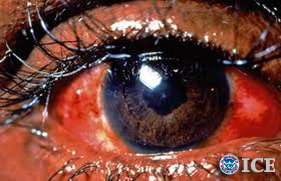
The allure of changing your eye color or adding a dramatic effect for Halloween is strong, but decorative lenses purchased without a prescription are a serious threat disguised as a fun accessory. These products are not harmless cosmetics; they are medical devices that carry significant risks.
Why Costume and Colored Contacts Require a Prescription
It is a critical misunderstanding to view fashion, costume, or colored contact lenses as simple accessories. Because they sit directly on the cornea of your eye, they are regulated by the Food and Drug Administration (FDA) with the same rigor as corrective lenses intended to fix vision.
The medical standards are identical. Any seller, whether online or in a novelty shop, that offers these products without requiring a valid prescription is breaking the law. Claims you might see on packaging in 2025, such as "no need to see an eye specialist" or "one size fits all," are not just misleading—they are a dangerous and illegal deception designed to bypass essential safety measures.
Hidden Contaminants in Counterfeit Lenses
When you purchase counterfeit lenses from an unregulated source, you are not just risking an improper fit; you are exposing your eyes to unknown and potentially toxic materials. These illicit products are often manufactured in non-sterile environments without any quality control.
A startling 2015 study by the American Academy of Ophthalmology (AAO) that analyzed non-prescription lenses found alarming contaminants. Three pairs of the tested lenses contained chlorine, while four others were found to contain iron. These substances have no place in a medical device meant for your eyes.
Furthermore, eye care experts warn that the dangers don't stop there. Knockoff lenses may be colored with tints containing lead, packaged in saline solutions contaminated with harmful bacteria, or made from substandard polymers. These poor-quality materials can starve your eye of oxygen, leading to severe complications. To ensure the products you use are safe, sterile, and legal, it is vital to only purchase from reputable vendors who verify a prescription. By doing so, you can safely browse a full catalog of FDA-approved lenses, knowing your eye health is protected. Find a secure way to get your prescription-verified contact lenses here.
【How to Buy Contacts: Separating Legitimacy from Danger】
Identifying and Avoiding Illegal Vendors of Contact Lenses Without a Prescription
Navigating the market for contact lenses requires vigilance. The most critical rule is to recognize and steer clear of unlawful sellers who prey on uninformed consumers.
Where Not to Buy Contact Lenses
It is both illegal and profoundly dangerous to purchase contact lenses from unauthorized sources. These include street vendors, beauty supply stores, flea markets, novelty shops, costume stores, or any retailer that does not request a prescription.
In 2025, if a seller is willing to bypass the legal requirement for a prescription, they cannot be trusted with the quality and safety of their products. This willingness to break federal law is a direct warning about the potential dangers of what they are selling. You should never entrust your vision to a vendor operating illegally.
The Truth About Buying Contact Lenses Online
Purchasing contacts online can be safe and convenient, but only when done through legitimate, law-abiding channels. The difference between a safe purchase and a risky one lies in one non-negotiable step: prescription verification.
The Prescription Verification Mandate
Legitimate online retailers are legally obligated to verify your valid, unexpired prescription before dispensing contact lenses. This is the law. Reputable companies such as 1-800 Contacts, GlassesUSA, and Warby Parker have established, secure systems to confirm your prescription details directly with your eye care provider.
These lawful vendors also often accept FSA or HSA debit cards and may work with vision insurance providers—hallmarks of a legitimate medical supply business that distinguish them from dangerous, illicit sellers.
The Limits of Online Vision Tests
Some online retailers offer "online vision tests," but it is vital to understand their specific and limited purpose. These digital tools are not a replacement for a comprehensive, in-person eye exam and fitting from an optometrist or ophthalmologist.
An online vision test is designed solely for renewing an existing, unexpired prescription for certain eligible customers. It cannot be used to obtain a new prescription or for a first-time contact lens fitting. A proper fitting requires a professional to physically measure your eye's curvature and assess its health to ensure the lenses fit correctly and safely.
The only safe path to vision correction is to begin with a professional eye exam for a valid prescription. With that prescription in hand, you can then purchase lenses from a vendor who verifies it, guaranteeing you receive a safe, regulated medical device. To find FDA-approved lenses from reputable sellers who adhere to these critical safety laws, you can begin your search for legally compliant contact lenses.
【Your Non-Negotiable Guide to Contact Lens Safety】
Step One: The Professional Eye Exam and Prescription
The journey to wearing contact lenses safely begins not with a purchase, but with a professional eye examination. This is the most critical and non-negotiable step in the entire process, forming the foundation of your eye health.
Why a Professional Fitting for Contact Lenses is Crucial
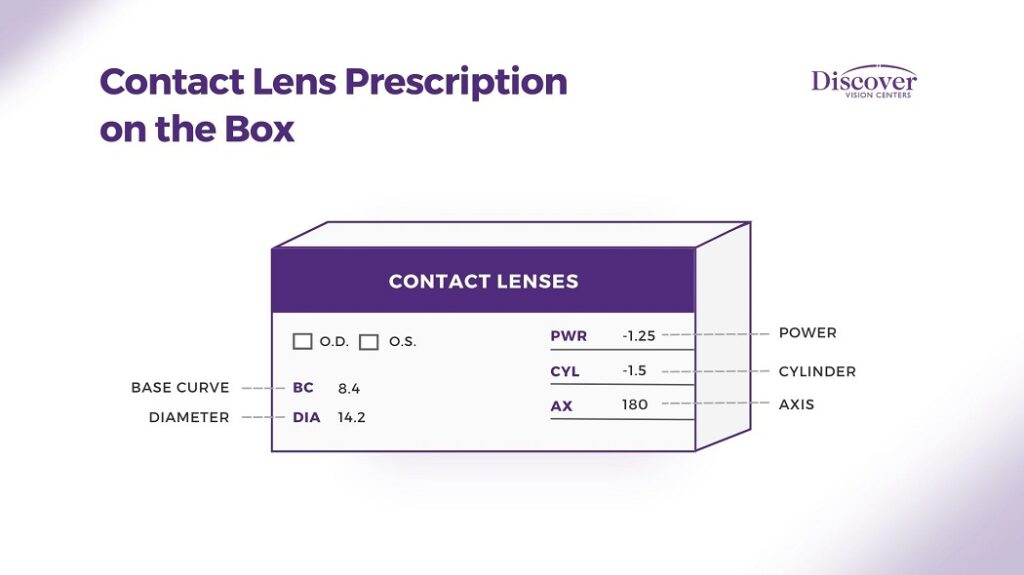
A licensed eye doctor, either an optometrist or an ophthalmologist, must conduct a comprehensive exam and fitting. Even if you have perfect 20/20 vision and want non-corrective colored lenses, this step is mandatory. A professional fitting ensures the lens matches your eye's specific curvature and size, preventing potential damage to your cornea. An ill-fitting lens can cause abrasions, oxygen deprivation, and serious infections.
Your valid prescription is more than just a number; it is a precise medical directive. It must legally include the lens power, base curve, diameter, brand or material name, and a clear expiration date. This information guarantees you receive a medical device tailored specifically for your eyes.
Essential Rules for Safe Contact Lens Wear
Once you have your legally prescribed lenses, responsibility shifts to you. Adhering to strict hygiene and care routines is the only way to prevent painful and potentially blinding complications.
Daily Hygiene and Care Instructions for Your Lenses
These daily practices are your primary defense against eye infections.
Hand and Water Safety When Handling Contacts
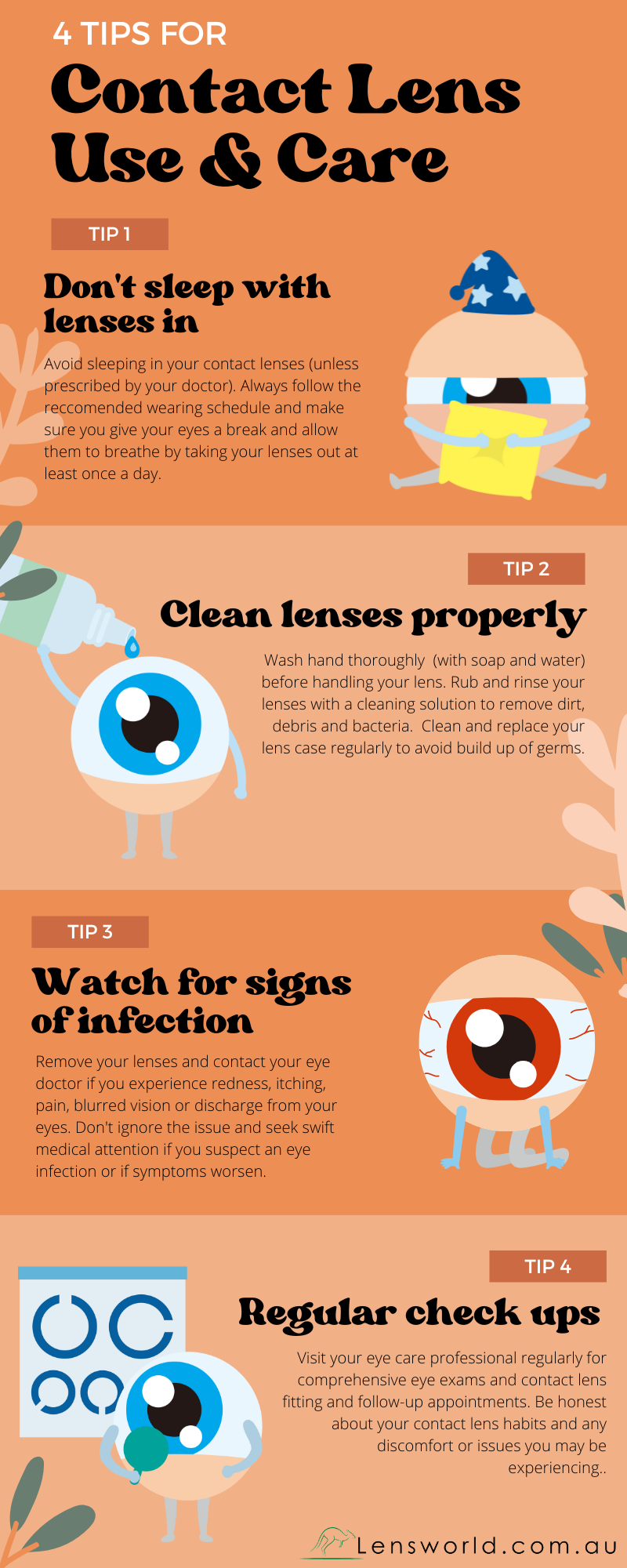
Always begin by washing your hands thoroughly with soap and water, then drying them with a clean, lint-free towel. This prevents the transfer of germs, oils, and debris from your fingers to your eyes. Any foreign particle can cause irritation or damage.
Water and contact lenses are a dangerous combination. Always remove your lenses before swimming, showering, or using a hot tub. Never use any type of water—tap, sterile, or bottled—to rinse or store your lenses. Water harbors microorganisms, like the dangerous Acanthamoeba parasite, which can attach to lenses and cause severe, vision-threatening infections.
Solution and Storage Protocols to Prevent Contamination
Properly using contact lens solution is essential for disinfection. You must rub and rinse your lenses with fresh solution before soaking them overnight, even if the bottle says "no-rub." This mechanical cleaning action is proven to remove significantly more deposits and biofilm.
Never reuse or "top off" the old solution in your lens case. Once used, the solution loses its disinfecting efficacy and is contaminated. Always discard the old solution completely and fill the case with fresh disinfecting solution. Likewise, your lens case must be cleaned regularly with solution (not water), wiped, and left to air dry upside down to avoid becoming a breeding ground for bacteria.
Personal Use and Replacement Schedules for Your Lenses
Contact lenses are a personal medical device prescribed only for you. Sharing them with anyone else is extremely hazardous and can transmit serious eye infections.
Strictly follow the wear and replacement schedule provided by your eye care professional. Whether they are dailies, bi-weeklies, or monthlies, wearing lenses beyond their intended lifespan starves your cornea of oxygen and drastically increases your risk of complications. Over-wearing a lens, even if it feels comfortable, can lead to irreversible eye damage.
Warning Signs of a Contact Lens-Related Infection
You must be vigilant for any signs of trouble. Immediately remove your lenses and contact your eye doctor if you experience any of the following symptoms:
* Eye redness that doesn't go away
* Ongoing pain or discomfort in the eye
* Blurry vision or sudden changes in vision
* Watering, discharge, or unusual tearing
* Increased sensitivity to light
A potential eye infection is a medical emergency. Do not wait to see if it gets better on its own.
Protecting your vision requires diligence at every stage, from the initial exam to daily care. After securing a valid prescription, the final step is ensuring you acquire your lenses from a legitimate vendor that complies with the law. To explore options for FDA-approved lenses that match your precise prescription, you can begin your research for safely purchasing contact lenses. This ensures you are buying a regulated medical device designed for your specific needs, not a dangerous and illegal product.
Your Vision's Safety is Non-Negotiable
Ultimately, the pursuit of convenience should never compromise your health or legal standing. This guide has detailed the critical reasons why purchasing contact lenses without a prescription is a dangerous and unlawful act. To summarize the essential takeaways:
- All Contacts are Medical Devices: Under FDA regulations, all contact lenses—including cosmetic, colored, and costume lenses—are classified as medical devices that legally require a valid prescription. There are no exceptions.
- Significant Legal Consequences: Selling contacts without verifying a prescription is a violation of federal law (FTC's Contact Lens Rule). Vendors who ignore this are operating illegally and cannot be trusted with your eye health.
- Severe Health Risks are Real: Improperly fitted or counterfeit lenses can cause painful corneal abrasions, sight-threatening infections like keratitis, and even permanent blindness. The risk of using unregulated products is simply not worth it.
- The Only Safe Path: The correct and only safe way to acquire contact lenses is to first get a comprehensive eye exam and a professional fitting from a licensed eye care provider. With a valid prescription, you can then purchase your lenses from a legitimate vendor—either online or in-person—who will verify your prescription details.
Protecting your eyesight is a lifelong responsibility. By following these guidelines, you ensure that you are using a safe, regulated medical device that is tailored to your unique eyes, safeguarding your precious vision for years to come.
``` MjAyNTA3MjEwODA5MTE 当前显示MjAyNTA3MjEwODA5MTE。


Comments
Post a Comment