SEO Content JSON Guide 2025
Struggling to structure your web content for optimal visibility and search engine ranking? Discover how adopting a standardized "JSON format" for your SEO content elements – meta titles, descriptions, intros, and conclusions – can streamline your workflow and significantly enhance discoverability. This guide provides a clear, step-by-step approach to implementing this powerful strategy for your site.
Understanding Prescription Colored Contact Lenses
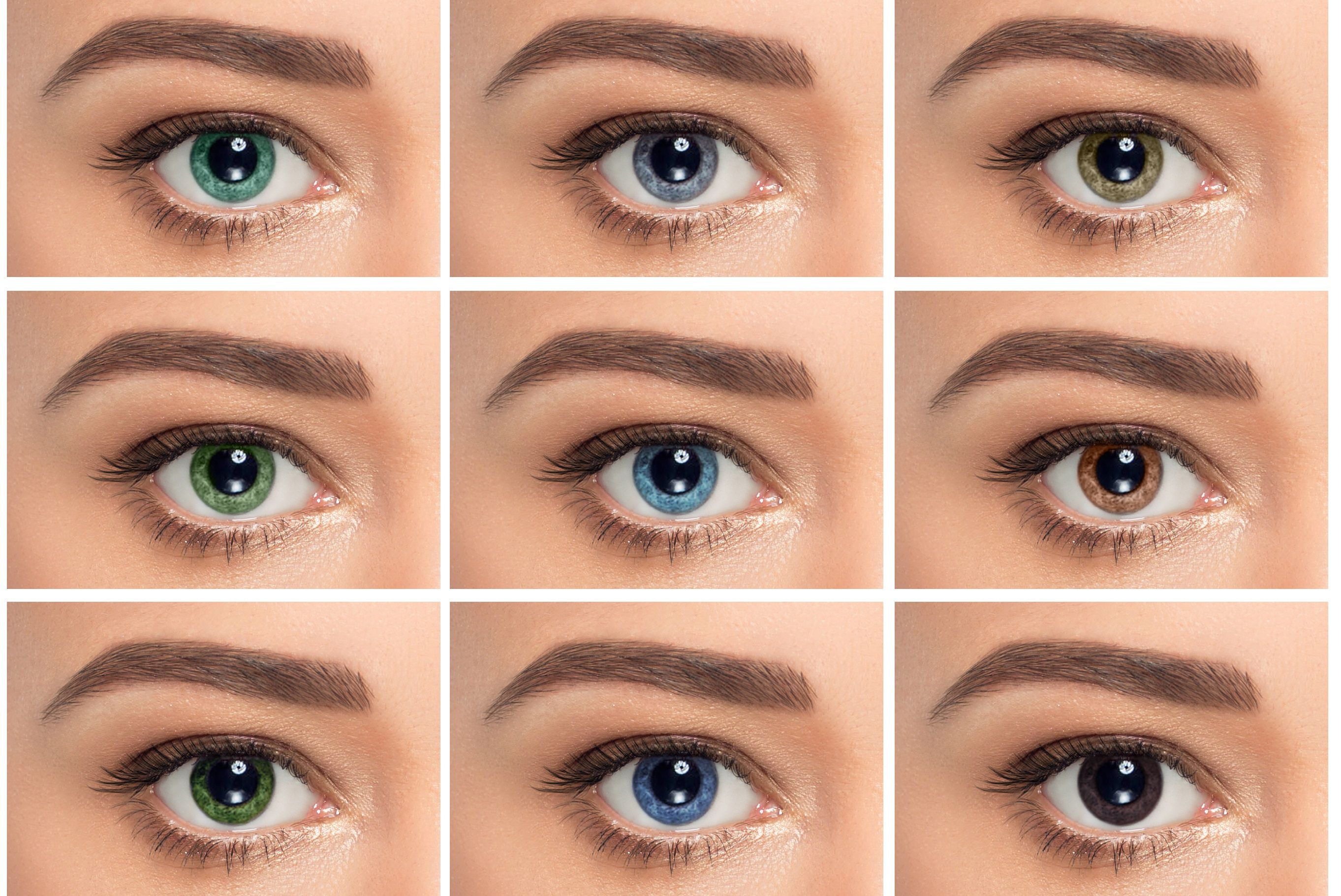
What Are Prescription Colored Contact Lenses?
Building on the appeal of transforming your eye color, what if you also need help seeing clearly? That's where prescription colored contact lenses come in. These aren't just cosmetic accessories; they are medical devices designed to correct refractive errors while simultaneously altering the appearance of your eyes.
Think of them as merging the functionality of standard corrective lenses with the aesthetic benefit of colored contacts. They provide the necessary vision correction for conditions like nearsightedness, farsightedness, or astigmatism, allowing you to see the world sharply. At the same time, they feature a colored tint on the lens surface to change, enhance, or subtly shift your natural eye color.
These lenses come in different types based on their tint. Enhancing tints are sheer and are typically designed to boost your natural eye color, often working best on lighter eyes. Opaque tints, on the other hand, are more vibrant and can completely change the color of both light and dark eyes. Both types incorporate your specific optical prescription.
Who Needs Prescription Colored Contact Lenses?
The primary users of prescription colored contact lenses are individuals who have a refractive error requiring vision correction and desire to change or enhance their eye color. This group includes people diagnosed with myopia (nearsightedness), hyperopia (farsightedness), or astigmatism.
If you find yourself constantly reaching for your glasses or clear contact lenses just to see, but you're also captivated by the idea of trying a new eye shade for a special event or daily wear, these lenses are designed for you. They offer a convenient, single solution. Instead of wearing clear corrective lenses and potentially attempting to layer non-prescription colored lenses (which is not recommended and can be unsafe), you can get one lens that does both jobs.
This is a perfect solution for those who value both clear vision and personal expression through cosmetic enhancement. Just as some people require specific eyewear like bifocal reading glasses clear on top for reading while using clear contact lenses for distance, others seek a single contact lens solution that corrects distance vision and changes eye color. It's about finding the right optical device for your unique needs and style.
If you are someone who needs vision correction and is intrigued by the possibility of changing your eye color safely and effectively with corrective lenses, exploring your options for vision correcting tint lenses might be the next step. Clicking this link can help you find a range of options that combine your specific prescription needs with the cosmetic color you desire, addressing both aspects of your search intent directly.
The Dark Side of Cosmetic Procedures: Risks and Warnings

While the allure of changing your eye color with methods like prescription colored contact lenses is strong, it's crucial to understand the potential dangers associated with other cosmetic procedures and, more importantly, the misuse of contact lenses themselves. Not all methods are safe, and making uninformed choices can lead to severe, irreversible eye damage.
Dangers of Keratopigmentation and Iris Implants
Beyond contact lenses, some individuals explore surgical options to permanently change eye color. Two such procedures are keratopigmentation (corneal tattooing) and artificial iris implants. While they might sound appealing for their permanence, the risks are significant.
These procedures involve making incisions into the eye and injecting dye or inserting a foreign object (the implant). Such invasive actions carry a high risk of complications. Potential dangers include severe infections, chronic inflammation, glaucoma (increased eye pressure that can damage the optic nerve), cataracts, and even complete loss of vision, resulting in blindness.
The medical community, including the American Academy of Ophthalmology, strongly advises against these procedures. They state unequivocally that the potential risks and devastating complications far outweigh any perceived cosmetic benefit. Choosing such permanent alterations without fully understanding the "dark side" is a hazardous gamble with your vision.
Horror Stories: Real-Life Consequences of Non-Prescription Lenses
The dangers aren't limited to surgery. Even something as seemingly simple as colored contact lenses can be incredibly risky if they are not prescription colored contact lenses obtained legally and fitted by an eye care professional. Real-life horror stories tragically illustrate this point.
Consider Julian Hamlin, whose story was reported by Global News. He went blind in one eye after regularly wearing colored contacts he bought at a gas station – a completely illegal and unsafe source. The improper fit and lack of professional guidance led to severe infection requiring 16 surgeries in an attempt to save his eye, ultimately unsuccessfully.
Similarly, WFMY News 2 shared the account of Leah Carpenter, who suffered corneal damage and partial blindness after wearing Halloween-themed lenses. These novelty lenses, often sold without a prescription in retail stores, are frequently made from cheaper materials and are not designed or fitted for individual eyes, leading to abrasions, infections, and permanent vision loss. These stories are stark warnings about the per ils of non-prescription colored contacts dangers.
The FDA's Stance on Non-Prescription Colored Contacts
The serious nature of these risks is why regulatory bodies like the U.S. Food and Drug Administration (FDA) classify all contact lenses, including cosmetic colored contact lenses, as medical devices. This classification is crucial because it mandates that contact lenses require a valid prescription from a licensed eye care professional for legal sale.
Selling contact lenses, whether clear corrective lenses or colored ones for cosmetic use, without requiring a prescription is illegal in the United States. This regulation exists specifically to protect the public from the dangers highlighted in the horror stories. An eye care professional ensures the lenses are properly fitted to your unique eye shape and size, teaches you how to care for them safely, and checks for underlying eye health issues that could be exacerbated by lens wear. Just like eyeglasses or prescribed spectacles require a professional fitting and prescription, colored contact lenses fall under the same category for your safety. Ignoring this requirement significantly increases your risk of serious eye problems, including irreversible damage or blindness.
To avoid these serious complications and ensure the health of your eyes while achieving your desired look, always choose properly fitted prescription colored contact lenses. Visiting this link directs you to options for acquiring contact lenses that not only offer the cosmetic change you desire but are also prescribed and designed to sit safely on your eyes, preventing the severe issues associated with improper or illegal lens purchase and use, thus directly addressing the search intent for safe solutions.
Prescription Colored Contact Lenses: A Safer Alternative

Following our look into the risks of non-prescription options and cosmetic eye surgeries, it's vital to explore the responsible and safe way to achieve a change in eye color. Prescription colored contact lenses stand out as the recommended path by eye care professionals. They offer the aesthetic appeal many desire without compromising eye health.
What are Prescription Colored Contact Lenses?
Prescription colored contact lenses are specialized medical devices designed to serve two primary purposes simultaneously. First, they correct vision problems like nearsightedness, farsightedness, or astigmatism, just like clear corrective lenses. You get the vision correction you need.
Second, these lenses feature a tinted or patterned design that overlays your natural eye color. This allows you to change, enhance, or subtly alter the appearance of your iris. The color is embedded within the lens material, not on the surface that touches your eye.
What makes them distinct and safe is that they require a valid prescription from a licensed eye care professional. This isn't just about vision correction; it's about ensuring the lens properly fits the unique contours of your eye. A poor fit can lead to serious complications, regardless of whether you need vision correction.
They come in various types, from opaque colors that completely change your eye hue to enhancement tints that subtly boost your natural shade. Exploring the different looks possible with coloured prescription lenses can show you the style options available safely. These lenses are tailored to your specific needs, both in terms of vision power and ocular anatomy.
Benefits of Choosing Prescription Lenses
Opting for prescription colored contact lenses drastically reduces the risks associated with improper lens use. Because they are fitted by an eye doctor, the chance of issues like corneal abrasions, infections, and oxygen deprivation to the cornea is significantly lower compared to ill-fitting, non-prescription alternatives. You prioritize your vision safety.
An eye care professional provides essential guidance when you choose prescription lenses. They measure your eyes to ensure the correct base curve and diameter for a comfortable and safe fit. A proper fit is crucial for tear exchange and oxygen flow.
You also receive detailed instructions on how to care for your lenses. This includes cleaning, disinfecting, storage, and replacement schedules. Following these care protocols is vital to preventing bacterial infections, which can be devastating.
Furthermore, your eye doctor will assess your overall eye health before prescribing lenses. They can identify conditions that might make contact lens wear risky. This comprehensive approach ensures that enhancing your eye color doesn't come at the expense of your long-term vision. Choosing prescription lenses means choosing peace of mind and prioritizing eye health.
Dispelling Myths About Prescription Requirement
One common myth is that if you don't need vision correction, you don't need a prescription for colored contacts. This is absolutely false and a dangerous misconception. As the FDA correctly classifies all contact lenses, including those solely for cosmetic purposes, as medical devices.
The reason for this classification is simple: contact lenses sit directly on the surface of your eye. Even a non-corrective lens that is not properly fitted can scratch your cornea, block oxygen, or trap bacteria. Publications like ELLE have highlighted that the need for a prescription isn't about vision, but about the medical necessity of a proper fit.
The idea of "one-size-fits-all" contacts is perilous. Human eyes vary in size, shape, and corneal curvature. A lens that is too tight can impede oxygen flow and cause swelling or abrasions. A lens that is too loose can move excessively, causing irritation and potentially scratching the cornea. These complications can lead to permanent vision loss, echoing the horror stories we discussed earlier.
Therefore, the prescription requirement for all colored contact lenses is a critical safety measure. It ensures a trained professional evaluates your eyes and prescribes lenses that are appropriate for your unique ocular anatomy and needs. This protects you from potentially blinding complications.
To safely explore your options for changing or enhancing your eye color while protecting your vision, always obtain prescription colored contact lenses. Visiting options for prescription colored contact lenses allows you to find lenses that are not only aesthetically pleasing but are also prescribed and designed for safe wear based on a professional eye examination, directly addressing the search intent for safe and effective colored contact lens solutions.
Finding the Perfect Prescription Colored Contacts

Now that you understand why prescription colored contact lenses are the safest choice, the next step is finding the perfect pair for you. This involves understanding the process of getting them, knowing the types available, recognizing reputable brands, and learning how to choose lenses that offer a natural appearance. Finding the right lens is a blend of medical necessity and personal style.
How to Get Prescription Colored Contacts
Obtaining prescription colored contacts always begins with a professional eye examination. You cannot legally or safely acquire these lenses without a valid prescription. This appointment is crucial for both your vision and eye health.
Schedule an eye exam with an optometrist or ophthalmologist.
Your first step is to book an appointment with a qualified eye care professional. This could be an optometrist or an ophthalmologist. They have the necessary equipment and expertise to assess your eyes thoroughly. This isn't just about checking your vision correction needs; it's about examining the health of your eyes and measuring the specific dimensions of your cornea and iris.
Discuss your desired color and vision correction needs.
During your eye exam, be clear with your doctor about your goals. Tell them you are interested in colored contact lenses. Discuss the kind of color change you envision – do you want a subtle enhancement or a dramatic transformation? Also, inform them if you require vision correction for nearsightedness, farsightedness, or astigmatism. The doctor will then perform tests to determine your precise vision prescription and take measurements of your eyes to ensure the contact lenses fit properly and comfortably. A proper fit is paramount for safe wear and healthy eyes in 2025 and beyond.
Types of Colored Contacts Available
Prescription colored contact lenses come in several varieties, designed to achieve different aesthetic results. Understanding these types helps you discuss your options effectively with your eye care professional. Each type interacts with your natural eye color differently.
Enhancement tints: Enhance natural eye color, best for light eyes.
These lenses feature a translucent tint that adds depth and intensity to your natural eye color. They don't change the color entirely but rather enhance it. Enhancement tints work best on light-colored eyes (like blue, green, or hazel) as they allow some of your natural iris pattern to show through. They can make a light blue eye appear more vibrant blue or add a subtle green hue to a hazel eye. This offers a very subtle, natural-looking change.
Opaque tints: Completely change eye color, suitable for dark eyes.
Opaque tints are designed to completely mask your natural eye color and replace it with the lens color. These are the lenses you'd choose for a dramatic change, such as going from brown eyes to blue or green. They are effective on both light and dark eyes but are particularly popular for individuals with dark eyes who want a noticeable difference. The color is printed in an opaque layer on the lens.
Novelty/Theatrical lenses: For special effects, require professional fitting.
Sometimes called costume contacts, Novelty/Theatrical lenses are designed for special effects, like creating vampire eyes, cat eyes, or other unique looks for Halloween or theatrical performances. While often featuring opaque colors and patterns, they are categorized separately due to their unique designs and the potential for increased risks if not fitted correctly. These lenses always require a prescription and professional fitting, just like regular corrective or cosmetic colored lenses, to ensure they don't harm your eyes.
Top Brands for Prescription Colored Contacts
Choosing a reputable brand is just as important as getting a prescription. Established manufacturers adhere to strict quality and safety standards. Here are some widely recognized top brands for prescription colored contacts available in 2025. Selecting the right brand ensures you receive a high-quality, safe lens.
Acuvue Define: Subtle enhancement, daily disposable.
Acuvue is a well-known name in contact lenses. Their Acuvue Define range focuses on enhancing the natural beauty of your eyes with subtle limbal ring designs that make eyes appear brighter and more defined. These are daily disposable lenses, which are often recommended for hygiene and convenience, reducing the risk of protein buildup.
Air Optix Colors: Monthly lenses, wide range of colors.
Air Optix Colors lenses offer a balance of breathability and vibrant color options. They are monthly lenses, meaning you wear them for up to a month with proper cleaning and storage each night. This brand provides a relatively wide palette of opaque colors suitable for significantly changing eye appearance, available with or without vision correction. Much like selecting the perfect mens sunglasses to complement your style in 2025, choosing the right colored contacts from a trusted brand like Air Optix Colors is about finding the look that feels right for you.
Dailies Colors: Daily disposable, available in four colors (ELLE).
Cited by publications like ELLE, Dailies Colors are another option for those preferring the convenience of daily disposable lenses. They offer color options that blend with the eye for a natural look. They are available in a limited range, specifically four colors designed for subtle enhancement and a comfortable daily wear experience. Daily disposables are a popular choice for minimizing cleaning routines.
Natural Looking Colored Contacts: Achieving a Realistic Look
Many people seeking prescription colored contact lenses desire a change that looks as realistic as possible. Achieving a Natural Looking Colored Contacts involves paying attention to specific lens features and how they interact with your eyes. It's about blending, not just covering.
Look for lenses with pigments throughout the entire lens for depth.
Higher quality colored lenses often have the color pigment distributed in a pattern that mimics the natural look of the iris. Instead of a flat block of color, look for lenses with multiple layers of tone and intricate radial patterns extending from the center. This variation in pigment depth creates a more realistic, dimensional appearance that prevents the eyes from looking artificial or "flat."
Consider the size of the pupil opening for a natural appearance.
The center of a colored contact lens is clear to allow you to see through your pupil. The size of this clear area is called the pupil opening. If the pupil opening is too large, some of your natural iris might show around the edge, creating an unnatural ring. If it's too small, it could potentially obstruct your vision, especially in dim light when your natural pupil dilates. A properly sized opening ensures your natural pupil fits neatly within the clear zone, contributing to a more natural look.
Try on different shades to see which blends best with your natural eye color.
Lens color charts online are helpful, but the true test is seeing how the lens color looks on your eye. The final appearance is a combination of the lens color and your underlying natural eye color and pattern. What looks vibrant on one person might look different on another. Your eye care professional can often provide trial lenses in different shades or suggest specific colors based on your natural eye tone and desired effect. Trying on samples is key to finding a realistic look that suits you.
To find the perfect fit and color tailored to your eyes and needs while ensuring safety through a proper prescription, exploring options from reputable sources is essential. Visiting prescription colored contact lenses allows you to find a wide selection of medically approved, safe, and stylish colored contacts designed for your unique eyes and vision requirements, directly addressing the search intent for finding suitable colored contact options.
Caring for Your Prescription Colored Contact Lenses
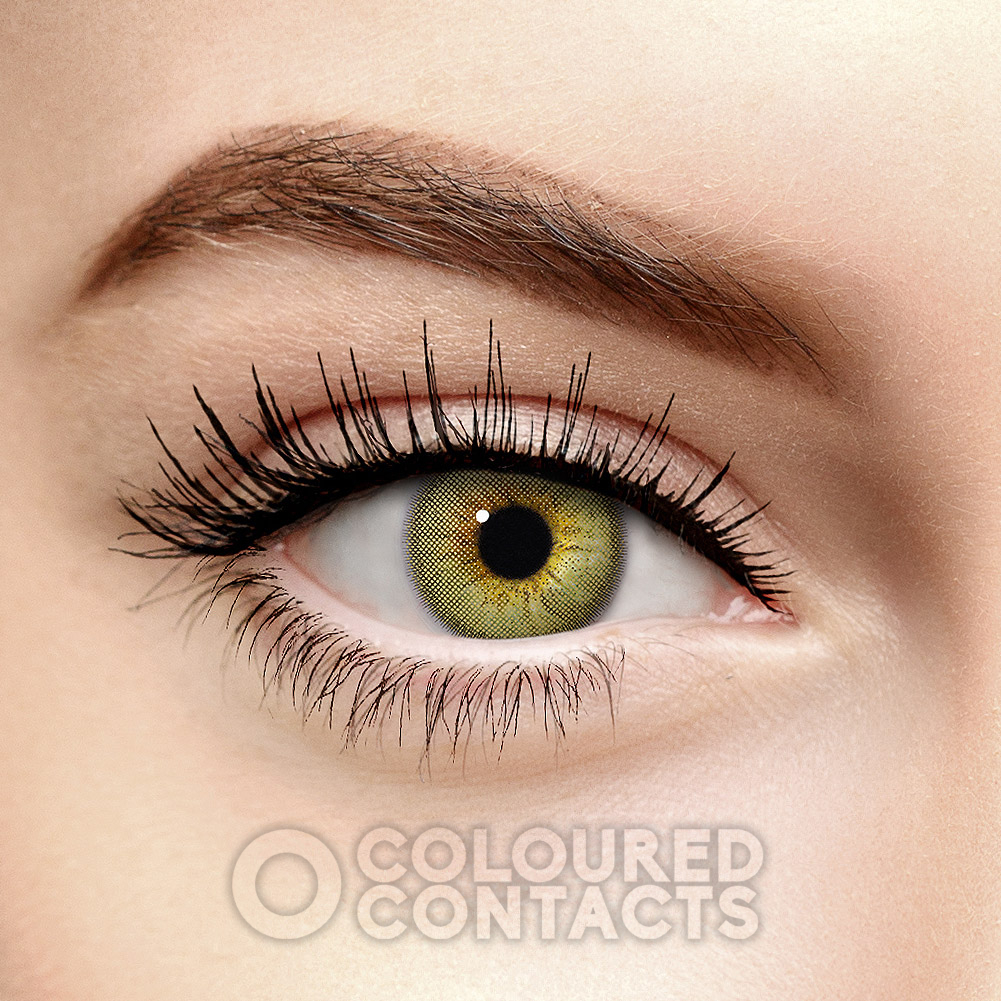
Getting your perfect pair of prescription colored contact lenses is just the first step. Proper care and maintenance are absolutely critical to ensure your eye health and the longevity of your lenses. Ignoring simple hygiene steps can lead to serious complications, even vision loss. Think of it like caring for any medical device – precision is key for safety in 2025.
Proper Cleaning and Maintenance
Maintaining the cleanliness of your colored contact lenses is non-negotiable. It's the frontline defense against harmful microorganisms. Following a strict cleaning regimen protects your eyes from infections and keeps your lenses comfortable to wear.
Always wash hands before handling lenses.
Before you even touch your prescription colored contacts or their case, wash your hands thoroughly with soap and water. Dry them completely with a lint-free towel. This simple step removes dirt, oils, and germs that could easily transfer from your hands to the lens and then to your eye, potentially causing irritation or infection. It’s a fundamental rule of lens hygiene.
Use recommended contact lens solution for cleaning and storage.
Only use the contact lens solution specifically recommended by your eye care professional. Different solutions are designed for different types of lenses (soft vs. rigid gas permeable). Never use saline solution or rewetting drops for cleaning or storage; these do not disinfect. Rub and rinse your lenses according to the solution's instructions before placing them in a clean case filled with fresh solution. This meticulous process is vital for proper disinfection and removal of debris.
Never use tap water or saliva to clean lenses (Global News).
This is a critical warning. According to reports, including those highlighted by Global News, using tap water or saliva to clean or store contact lenses dramatically increases the risk of severe eye infections, such as Acanthamoeba keratitis. Tap water contains microorganisms that can cause painful and vision-threatening infections. Saliva is also full of bacteria harmful to the eye. Always use sterile, recommended contact lens solution only. Your eye safety depends on it.
How Long Can You Wear Colored Contacts?
The maximum time you can safely wear your prescription colored contact lenses isn't a one-size-fits-all answer. It depends entirely on the type of lens you have and your individual eye physiology. Over-wearing lenses starves the cornea of oxygen and increases the risk of problems.
Follow your eye doctor's instructions on wear time.
Your eye care professional will provide you with a specific wear schedule based on your eye health, the type of lens prescribed, and its material. This might be daily wear, meaning you remove them every night, or extended wear (though less common for colored lenses), allowing for overnight wear. Always adhere strictly to the recommended wear time. Pushing the limits increases discomfort and health risks.
Generally, daily disposables are safer than extended-wear lenses.
If you're concerned about safety and convenience, daily disposable colored contacts are often recommended. Since you discard them after each use and start with a fresh, sterile pair the next day, the risk of protein and lipid buildup, as well as microbial contamination, is significantly reduced compared to monthly or bi-weekly lenses that require daily cleaning and storage. They offer a high level of hygiene for daily use in 2025.
The Risks of Sleeping in Colored Contacts
Sleeping in colored contact lenses, even those approved for extended wear (which are rarely colored), is highly discouraged unless specifically advised by your eye doctor, which is uncommon. The risks far outweigh any perceived convenience.
Increases the risk of infection tenfold (Global News).
Sleeping while wearing contact lenses, especially prescription colored contact lenses, is widely reported, including by Global News, to increase the risk of serious eye infections by 6 to 20 times. When your eyes are closed, oxygen supply to the cornea is significantly reduced. This creates a breeding ground for bacteria and makes the cornea more vulnerable to scratches and subsequent infection, such as painful corneal ulcers.
Reduces oxygen flow to the cornea, leading to complications.
The cornea, the clear front part of your eye, needs oxygen from the air to stay healthy. Contact lenses act as a barrier, reducing this flow. When you sleep, even less oxygen reaches the cornea, a condition called hypoxia. Chronic hypoxia can lead to corneal swelling, blood vessel growth into the cornea (neovascularization), and increased susceptibility to infection. These complications can impair vision and even cause permanent damage. Prioritizing eye health means removing your lenses before sleep, just as choosing comfortable bifocal reading glasses clear on top can improve your vision clarity during the day without compromising eye comfort at night.
Proper care, adhering to wear schedules, and understanding the risks associated with misuse are fundamental for anyone wearing prescription colored contact lenses. By following these guidelines, you can safely enjoy the aesthetic benefits of colored contacts while protecting your precious eyesight. To ensure you are choosing medically approved and safe colored contacts that meet these high standards for eye health, exploring options from reputable online suppliers like Mozaer can provide access to a wide range of corrective colored lenses designed for both safety and style. You can find a selection of safe and stylish prescription colored contact lenses by visiting the link, ensuring you get lenses suitable for your unique vision needs and desired look.
Buying Prescription Colored Contacts Online
After mastering the care of your prescription colored contact lenses, the next step for many is finding a convenient and affordable way to purchase them. Buying colored contact lenses online has become increasingly popular in 2025, offering significant advantages like wider selection and competitive pricing compared to traditional brick-and-mortar stores. However, safety and legality remain paramount; you still absolutely need a valid prescription.
Where to Buy Prescription Colored Contacts Online
Finding a trustworthy source for your prescription colored contacts is crucial. Not all online retailers are created equal, and it's vital to choose one that prioritizes your eye health.
Reputable online retailers like 1-800 Contacts, Warby Parker, and ContactsDirect (Digital Trends).
According to reports, including insights from Digital Trends, several online retailers have built strong reputations for selling legitimate contact lenses. Companies like 1-800 Contacts, Warby Parker (for their lens division), and ContactsDirect are well-known providers. They source lenses directly from manufacturers and adhere to necessary regulations, ensuring you receive genuine, high-quality corrective colored lenses.
Ensure the retailer requires a valid prescription.
This is non-negotiable. Any legitimate online seller of prescription colored contact lenses must require you to provide a valid, up-to-date prescription from your eye care professional. This isn't just a formality; it's a legal requirement designed to protect your eye health. Ordering lenses without a prescription is illegal and extremely dangerous, as improperly fitted or prescribed lenses can cause serious harm. Avoid any site that lets you bypass this step.
Understanding the Ordering Process
Once you've chosen a reputable online retailer for your colored contact lenses, the ordering process is typically straightforward. Familiarizing yourself with the steps makes getting your lenses even easier.
Upload or provide your prescription information.
The first step is submitting your contact lens prescription. Most sites allow you to upload a photo or scan of your prescription directly during the checkout process. Alternatively, they might ask for your eye doctor's contact information to verify the prescription on your behalf. Ensure all details like base curve (BC), diameter (DIA), power (PWR or SPH), and any cylinder (CYL) or axis (AX) for astigmatism, plus the specific lens brand and color, are accurately entered or visible on the provided prescription.
Choose your desired lens type, color, and quantity.
Browse the available selection of prescription colored contact lenses. You'll choose the specific brand your doctor prescribed, the color or effect you want, and the desired quantity (e.g., a box of 6 lenses for a 3-month supply, or an annual supply). Double-check that you are selecting the correct parameters (power, BC, DIA) for each eye, as they might differ.
Verify your insurance coverage, if applicable.
Many online retailers work with vision insurance providers. Before finalizing your order, check if the retailer accepts your insurance plan. You may be able to apply your benefits directly during checkout, reducing your out-of-pocket cost for your prescription colored contact lenses. If they don't process direct billing, they should provide you with an itemized receipt that you can submit to your insurance company for reimbursement.
Saving Money on Prescription Colored Contacts Online
One of the main attractions of buying prescription colored contacts online is the potential for cost savings compared to traditional optical shops. Smart shopping can significantly reduce the expense.
Look for discounts, promotions, and rebates.
Online retailers frequently offer discounts for first-time customers, seasonal promotions, or bundle deals when you buy multiple boxes. Additionally, contact lens manufacturers often provide mail-in or online rebates, especially for annual supplies. Actively search for these offers before completing your purchase of corrective colored lenses.
Consider purchasing an annual supply for cost savings.
Buying a year's supply of prescription colored contact lenses at once is often the most cost-effective strategy. Retailers and manufacturers typically offer better per-box pricing or larger rebates when you commit to a full year. This also saves you the hassle of reordering frequently and ensures you always have a fresh supply on hand. While focusing on cost, remember that finding cheap rx eyeglasses online also offers similar opportunities for significant savings compared to local optical stores, expanding your options for affordable vision correction in 2025.
Compare prices from different retailers to find the best deal.
Don't just stick to the first site you find. Prices for the exact same prescription colored contact lenses can vary between online retailers. Take a few minutes to compare the total cost, including shipping fees and after applying any available discounts or rebates. This simple step can ensure you get the best possible price for your colored contact lenses.
By understanding where to look, how the process works, and strategies for saving money, purchasing your prescription colored contact lenses online can be a convenient and economical choice. Always prioritize using a reputable retailer who verifies your prescription to ensure the safety and authenticity of your lenses. To explore a wide range of options for safe and effective prescription colored contact lenses from a trusted online source that requires a valid prescription for your safety, visit the link below. It can help you find the perfect blend of vision correction, comfort, and the desired aesthetic change, all with the convenience of online shopping. You can browse and purchase your safe colored contacts by following this link, ensuring they meet medical standards while offering diverse style choices.
Addressing Common Concerns and Misconceptions About Prescription Colored Contact Lenses
Many people considering prescription colored contact lenses have questions about their safety, especially given past warnings about non-prescription versions. Addressing these concerns is crucial for informed decisions and maintaining eye health in 2025.
Can Colored Contacts Cause Blindness?
The idea that colored contact lenses can cause blindness is a significant fear, often fueled by sensational stories. While serious risks exist, particularly with improperly used or non-prescription lenses, the situation for prescription colored contact lenses is different.
According to reports from sources like ABC7 Los Angeles and Global News, it's specifically non-prescription or decorative lenses bought from unregulated sources (like costume shops or online without a prescription) that pose a significant risk. These lenses are often made from inferior materials, aren't fitted to your eye shape, and are used without proper hygiene instructions. Such misuse can lead to severe eye infections, corneal ulcers, and potentially irreversible vision loss or blindness.
Conversely, when prescription colored contact lenses are properly prescribed by an eye care professional, fitted correctly, and cared for according to instructions, they are much safer. They are manufactured to medical standards and intended for vision correction while also changing eye color. Following your eye doctor's guidance on wear time, cleaning, and storage is paramount to minimizing risks.
Colored Contacts for Astigmatism: Are They Available?
Individuals with astigmatism require contact lenses that correct for the irregular shape of their cornea, known as toric lenses. A common question is whether prescription colored contact lenses are available in toric designs for astigmatism.
While options do exist for colored contact lenses designed to correct astigmatism, the variety is currently more limited compared to standard spherical prescription colored contacts or regular clear toric lenses. Finding the right combination of color, power, and toric parameters (cylinder and axis) can sometimes be challenging.
As noted by sources like ELLE, if you have astigmatism and are interested in corrective colored lenses, your first step should always be to consult with your eye doctor. They can assess your specific needs, check for available options that fit your prescription and eye shape, and discuss alternatives if suitable colored toric lenses aren't available or aren't the best fit for your eye health. Sometimes, getting a prescription for regular clear toric lenses or perhaps even exploring options like prescribed spectacles might be recommended as the optimal solution for your vision correction needs in 2025.
Debunking Myths About Cosmetic Contacts
A persistent myth is that if a contact lens doesn't correct vision – if it's purely for cosmetic purposes to change eye color or appearance – then you don't need a prescription. This is completely false and dangerously misleading.
Every single contact lens, regardless of whether it corrects vision or is purely cosmetic (often called 'plano' or zero power), is classified as a medical device in the United States and many other countries. As highlighted by ELLE and regulatory bodies, this means all contact lenses require a valid prescription from a licensed eye care professional.
An eye doctor doesn't just determine your vision power; they also measure your eye's shape (base curve and diameter) and assess your eye health to ensure contact lenses are a suitable and safe option for you. Using lenses not specifically fitted to your eye, even those with zero power, can lead to discomfort, oxygen deprivation to the cornea, abrasions, or serious infections. Over-the-counter lenses or those bought from non-medical sources are never a safe alternative and should be strictly avoided. Your eye health is too important to risk with unregulated products.
Making informed choices about prescription colored contact lenses involves understanding their risks and requirements. While safety is paramount, obtaining them from legitimate sources with a prescription ensures you receive medical-grade lenses properly fitted for your eyes. To find a wide selection of certified prescription colored contact lenses that prioritize your eye health by requiring a valid prescription, you can explore options from a trusted retailer. This ensures you get safe, high-quality lenses that offer both vision correction and your desired aesthetic. Discover a variety of certified colored lenses by following this link.
See the World in a New Light, Safely
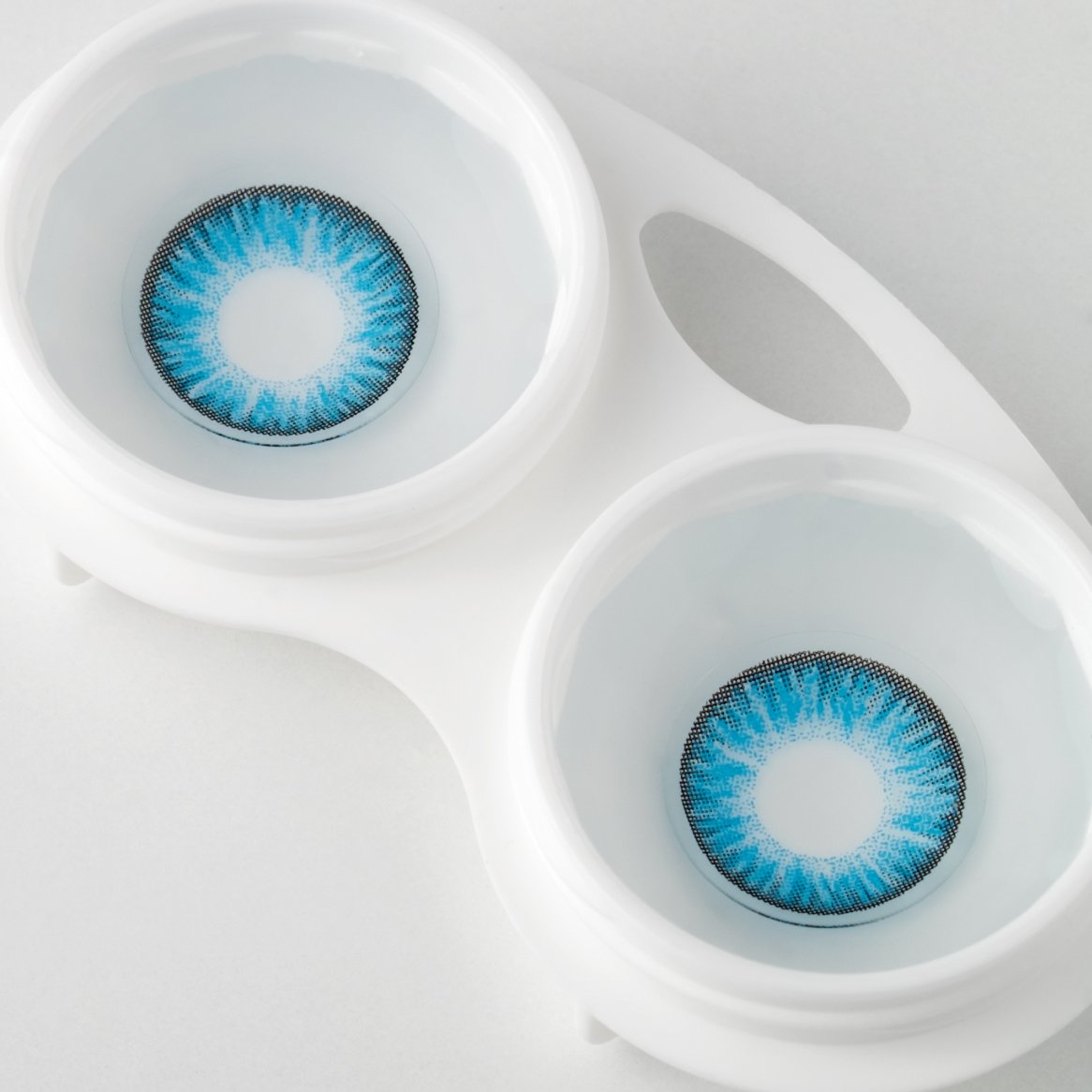
The Importance of Prioritizing Eye Health
Your eyes are incredible organs, crucial for experiencing the world around you. Their health should always be the top priority, even when exploring exciting options like changing your eye color. Cosmetic aspirations should never come at the expense of your vision or the long-term health of your eyes in 2025.
Your vision is precious; don't compromise it for cosmetic reasons.
It's easy to get caught up in the dramatic transformation that colored contact lenses can offer. However, the risks associated with improperly used lenses, as discussed earlier, highlight why caution and professional guidance are non-negotiable. Protecting your vision requires making safe choices about all contact lenses, including those purely for aesthetic purposes.
Making Informed Choices About Colored Contact Lenses
Choosing prescription colored contact lenses is a significant step towards both achieving your desired look and maintaining excellent eye health. It requires understanding the facts and avoiding dangerous myths.
Opt for prescription lenses from reputable sources.
The most critical factor in safe colored contact lens use is obtaining them with a valid prescription from a licensed eye care professional. Whether you need vision correction or not, a prescription ensures the lenses are medically approved, properly fitted for your unique eyes, and manufactured to safety standards. Avoid unregulated sources at all costs; they are the primary cause of serious eye complications related to cosmetic lenses.
Follow your eye doctor's instructions for safe wear and care.
Receiving a prescription is only the first step. Your eye doctor will provide essential instructions on how to wear, clean, and store your prescription colored contact lenses. Adhering strictly to these guidelines minimizes the risk of infections, irritation, and other potential problems. Proper hygiene and following recommended wear schedules are paramount for keeping your eyes healthy while using corrective colored lenses.
Embrace the Beauty of Colored Contacts Responsibly
Prescription colored contact lenses offer a wonderful way to enhance your appearance or even try a completely new look. However, this transformative power comes with the responsibility of ensuring your eye health remains uncompromised.
Enjoy the transformative power of colored contacts while protecting your eye health.
By choosing medical-grade, prescription colored contact lenses and using them as directed by an eye care professional, you can safely enjoy their aesthetic benefits. You don't have to sacrifice safety for style. Responsible use allows you to change your eye color for special occasions or daily wear with confidence, knowing you're protecting your precious vision.
Consult with your eye doctor for personalized recommendations and guidance.
Every individual's eyes are different. What works for one person might not be suitable for another. Consulting with your eye doctor is the best way to get personalized advice on the types of colored contact lenses available for your prescription, eye shape, and lifestyle. They can help you explore options, ensuring you find lenses that are both beautiful and safe for your specific needs in 2025.
Making the informed decision to use prescription colored contact lenses responsibly ensures that you can see the world clearly and change how the world sees your eyes, all while protecting your vision for years to come. If you're ready to explore certified, medical-grade prescription colored contact lenses that require a valid prescription for your safety, visiting a trusted online retailer can provide access to a wide variety of colors and styles designed to meet stringent safety standards. This step ensures you get high-quality lenses fitted to your needs. To find a range of safe and beautiful corrective colored contact lenses, explore the options available here.
Summary: Master Structured SEO Content
In summary, effectively structuring your web content is paramount for achieving high search engine rankings and engaging your target audience. By embracing a standardized approach, particularly using a "JSON format" for key on-page elements, you unlock significant SEO advantages. We've covered the critical components: crafting compelling meta titles and descriptions that entice clicks, writing engaging introductions that immediately convey value, and concluding with a strong summary that reinforces your core message.
Implementing these strategies within a structured format ensures consistency, simplifies content management, and helps search engines better understand your page's topic and relevance. Moving forward, prioritize the quality and structure of these foundational SEO elements to build a stronger online presence and drive more organic traffic to your site. Adopting this meticulous approach is an investment that pays dividends in increased visibility and user engagement in the competitive digital landscape.


Comments
Post a Comment